

























Jason Witten is going to make Oklahoma fans very happy.
That was my opinion after the Sooners made the decision to fire offensive coordinator Ben Arbuckle after less than two seasons and tab Witten as the team’s interim OC.
That opinion was met with a flurry of responses, ranging from “Doubt it” to “Pump the brakes. (John) Mateer is still playing QB.” for “Say more”.
That last one is valuable, especially to me, as I honestly believe Witten will make Sooner fans happy taking over the play-calling duties for a team that ranks last in the SEC in yards per game and touchdowns scored.
In other words, he’ll give Oklahoma something to feel good about by being … someone other than Ben Arbuckle.
But it goes deeper than that.
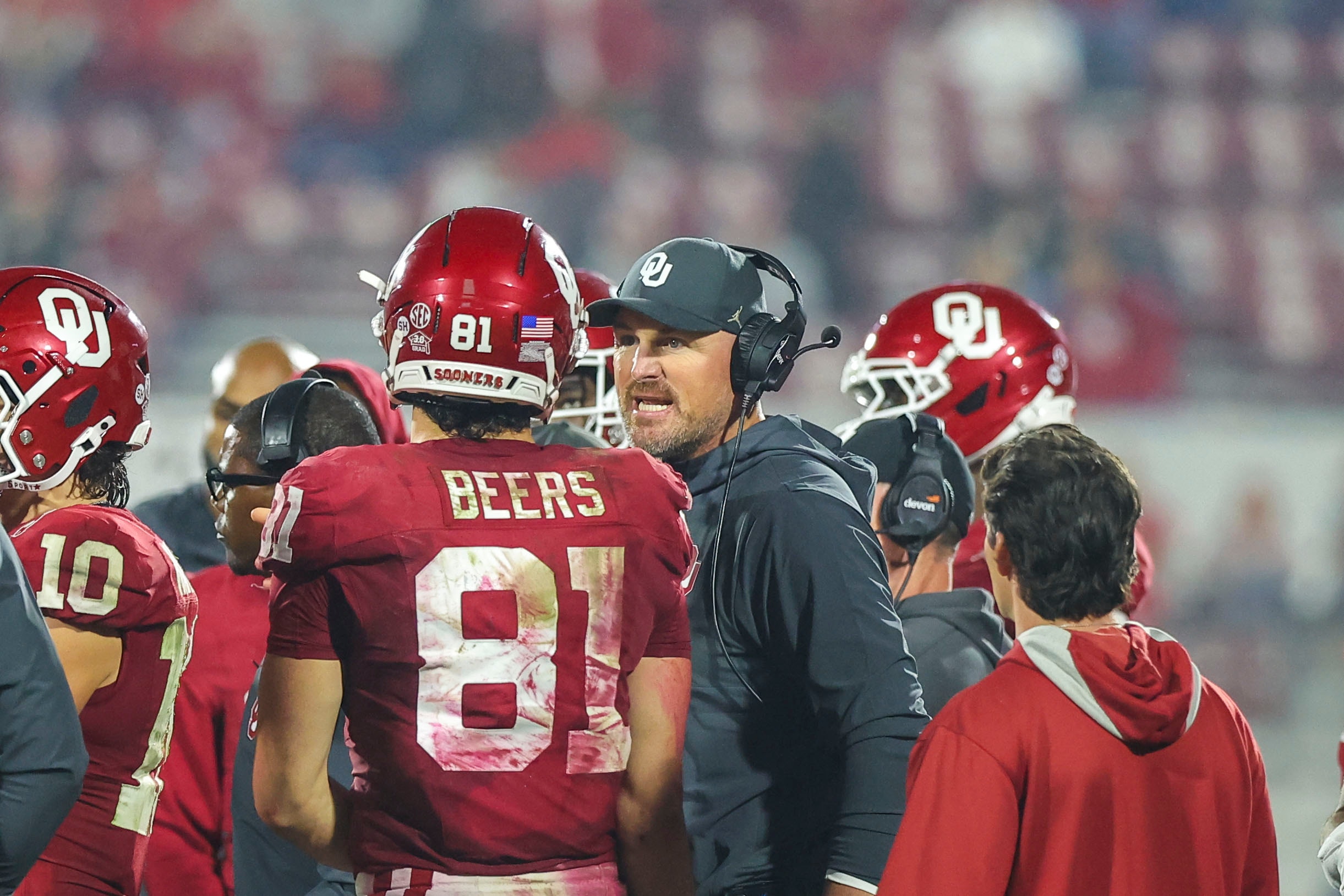
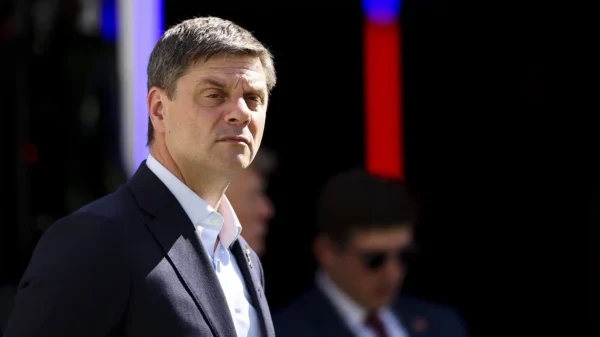
Oklahoma tight ends coach Jason Witten will take over as interim offensive coordinator and signal caller. (Photo by Chad Hamilton/Icon Sportswire via Getty Images)
Oklahoma head coach Brent Venables could have easily handed the offensive controls over to a proven player in former Sooner OC Kevin Wilson. He is on staff and there is no statute of limitations on one’s ability to call offensive plays. Recharges happen in position all the time. But no one at OU wants to go through the same experience Clemson has after Dabo Swinney rehired Chad Morris to a position he was great at a decade ago and is terrible today. Before last week, Clemson’s defense and special teams had combined to outperform its offense.
In picking Witten, Venables gives a frustrated Sooner fan base a familiar name to rally around after eight games of offensive underperformance. Venables could also hand a high-profile job to a high-profile name and a pending Pro Football Hall of Famer.
Witten played 17 years in the NFL, mostly with the Dallas Cowboys, and ranks second all-time among tight ends in rushing yards. He also has SEC pedigree, having played at Tennessee. But he is new to training.
Witten began coaching in 2021 at Liberty Christian School in Argyle, Texas — and he started as the head coach. Just 10 months ago, he became a full-time assistant at Oklahoma, coaching tight ends, a position he made a name for himself playing. Now, he’s stepping into the role of SEC offensive coordinator, a job he’s never held, let alone at this level. There is no guarantee — or even a track record — that suggests he will succeed. But he has celebrity, and fame goes a long way in the modern era of college football.
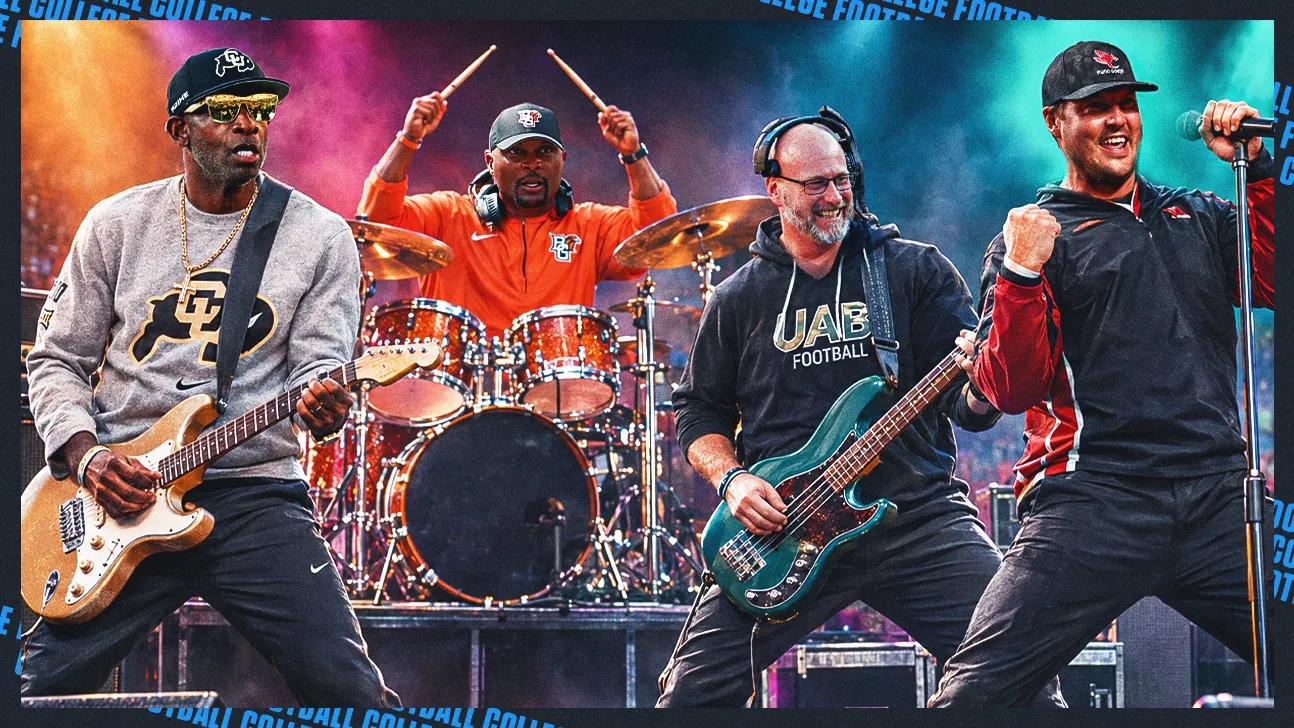
Over the past nine years, we’ve seen former NFL stars and television personalities — many with impressive playing resumes but little coaching experience — occupy some of the most powerful jobs in college football. They are chosen by people with money, power and influence to lead their agendas. But none have emerged as long-term answers.
Former Arizona State coach, NFL coach and ESPN personality Herm Edwards came and went in Tempe, leaving a trail of NCAA violations and an undrafted Heisman winner in Jayden Daniels in his wake. Former UAB coach and Super Bowl champion Trent Dilfer was fired after three straight losing seasons and a 9-21 record. Former Heisman Trophy winner and Pro Football Hall of Famer Eddie George looked to be off to a strong start at his first stop, Tennessee State, going 9-4 in 2024 and earning a spot in the FCS playoffs. But his move to Bowling Green is off to a rough start. The Falcons went 4-8 in 2025 and are 2-7 through nine games in 2026.
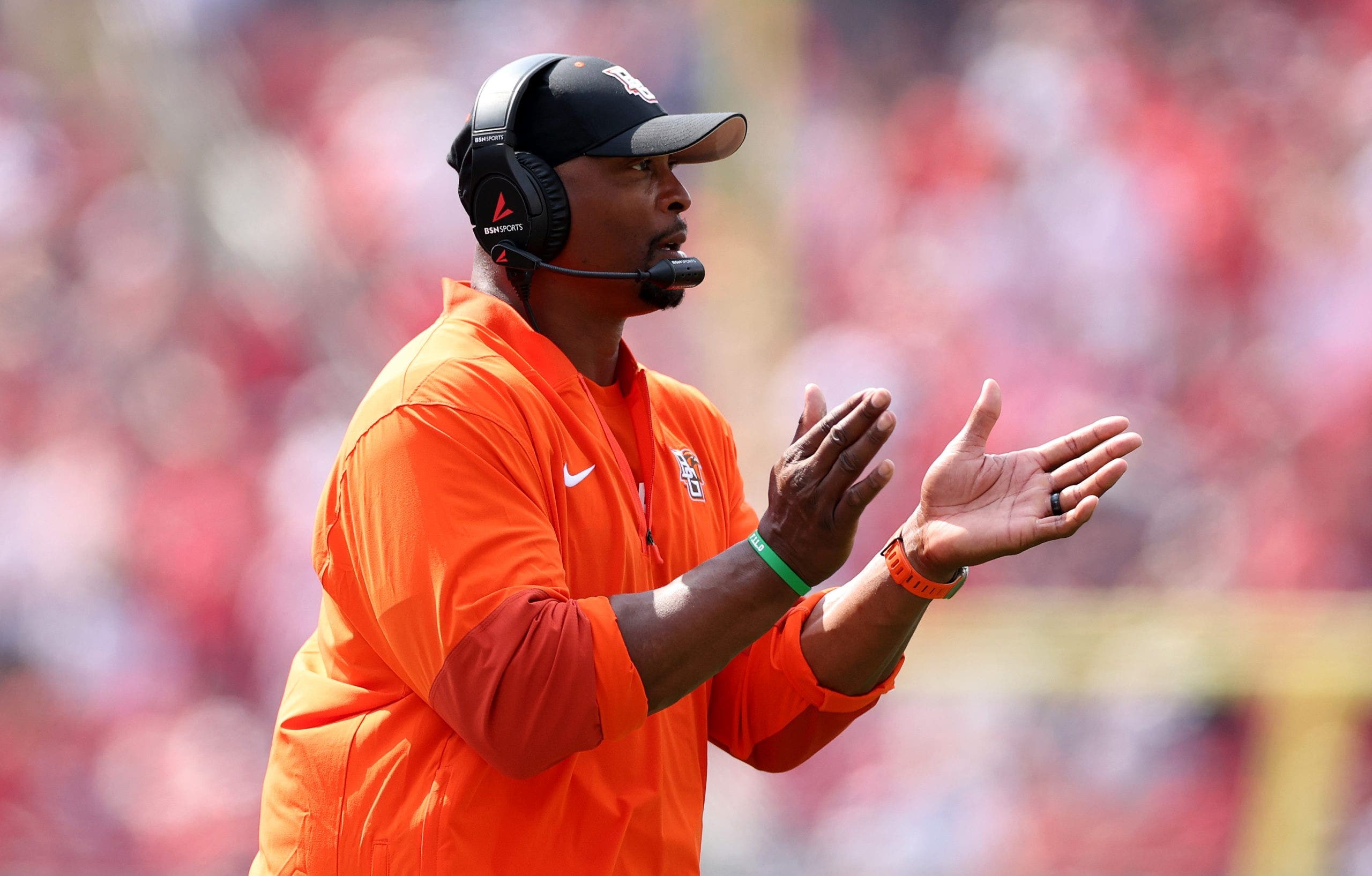
Eddie George is 6-15 as Bowling Green’s head coach. (Photo by Andy Lyons/Getty Images)
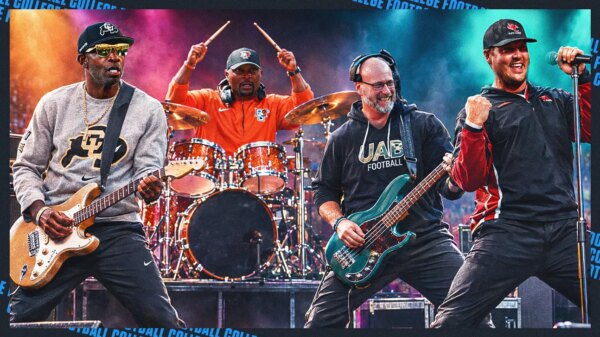
Norfolk State coach and NFL great Michael Vick is in the midst of a turnaround, as is Delaware State coach and NFL great DeSean Jackson. But success at the lower levels has yet to translate into a reliable blueprint for big-name coaches making the jump to Power Four programs. George’s efforts at Bowling Green are an example. And perhaps the most prominent example is Deion Sanders, one of the five greatest living athletes on the planet, whose move to Colorado has also raised questions about the staying power of celebrity-driven coaching hires.
Sanders had a great start to his coaching career at Jackson State, as did I chronic many times here. But his move to Colorado in 2024 has produced just one winning season. And yes, that season came with a first-round NFL Draft pick and Heisman Trophy winner in Travis Hunter, nine wins and a four-way tie for first place in the Big 12.
But without a difference-maker at quarterback like his son, Shedeur Sanders, or a two-way game-breaker like the uniquely talented Hunter, Deion Sanders has struggled to field a team capable of winning at the level he’s set his sights on: the College Football Playoff.
Spoiler: Coach Premier is closer to being fired than to reaching the CFP.
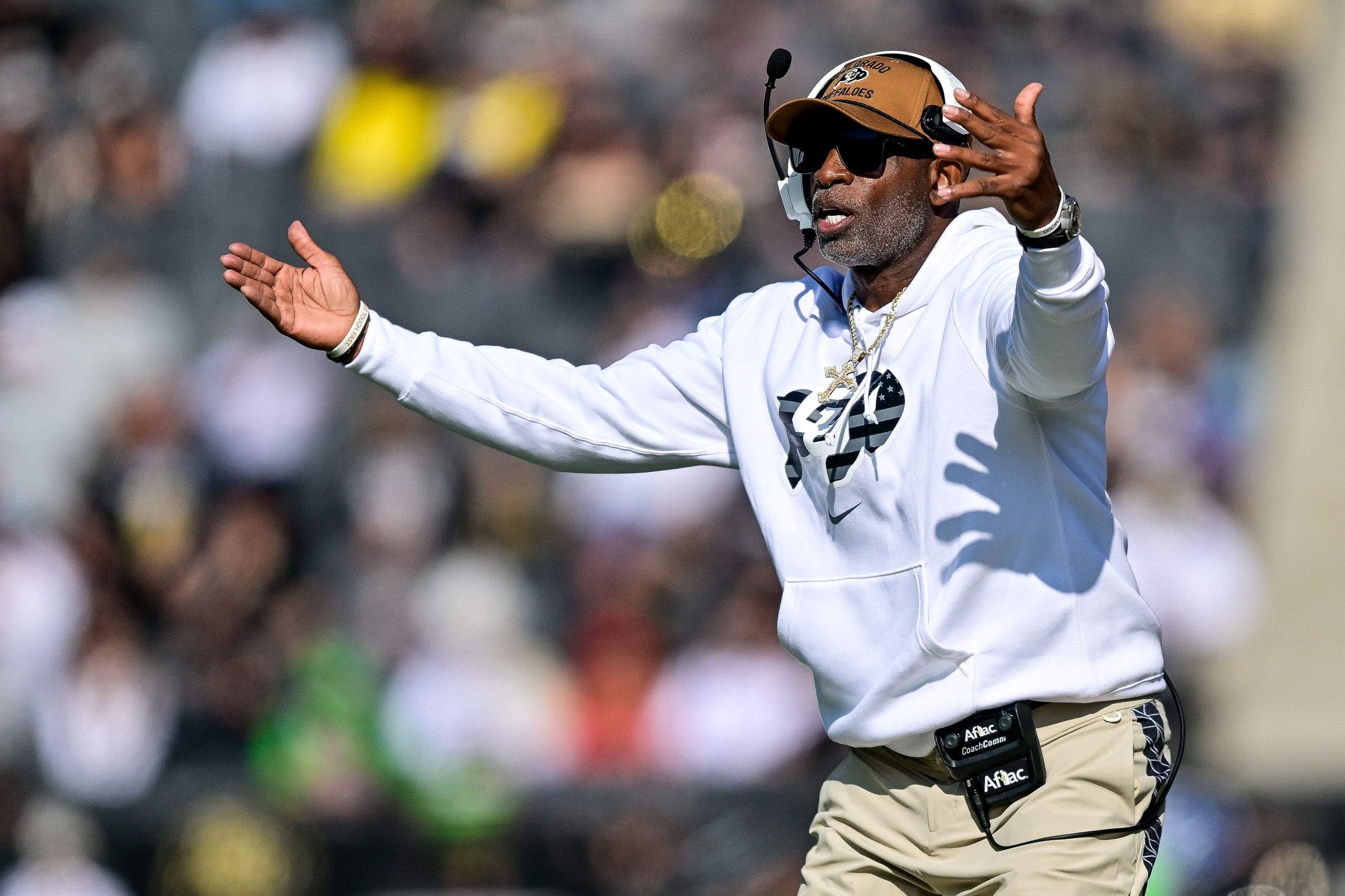
Deion Sanders is 19-25 as a head coach in Colorado. (Photo by Dustin Bradford/Getty Images)
However, when it worked for Colorado, worked. When the team won, tickets were sold. Applications to the University of Colorado soared. Sanders proved to be the best head of marketing at the university in his role as football coach.
That’s one reason North Carolina State athletic director Boo Corrigan interviewed former NC State quarterback and Super Bowl champion Russell Wilson for the head coaching vacancy, despite Wilson having absolutely no head coaching experience. It’s also why NC State brass traveled to Fairhope, Alabama, to interview former NFL great and high school coach Philip Rivers.
Rivers, who was the ACC Player of the Year at NC State in 2003, also has a son, Gunner, who is committed to play quarterback at NC State. You can see how Corrigan could see this as an opportunity to not only hire a beloved college guy, but to create a high-profile coach-guy-defensive back relationship like the one Colorado enjoyed with Deion and Shedeur Sanders.
But will it work over time? We haven’t seen it yet.
Rockstar Trainer makes fans happy in the short term, not the long term.
College football related stories