








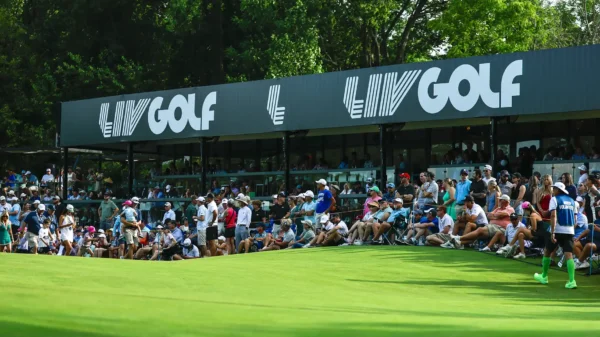










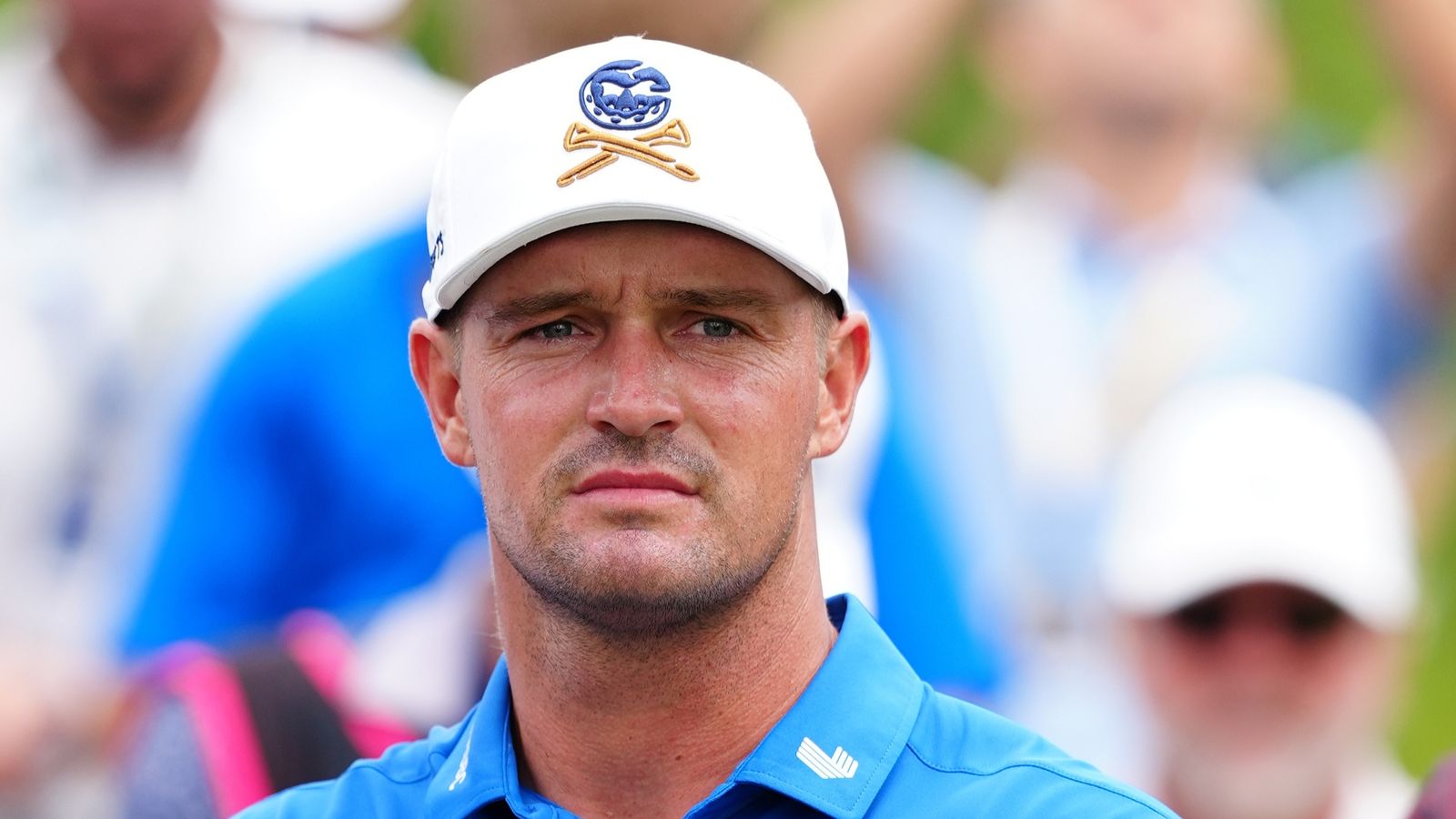
LIV Golf appears to be over, having announced this week that it will go into liquidation.
But how has it gotten to this point for the breakaway league that poured huge sums of money into the sport and played the role of major disruptor when it entered the scene five years ago.
Now what about the big name players who have yet to announce their departure before the doomed LIV 2.0? And what next for LIV itself?
What happened to LIV Golf?
LIV Golf’s bid to establish itself as a permanent PGA Tour rival has effectively ended as, on November 5, the league confirmed it would begin an orderly shutdown of its operations after failing to secure the financial backing needed to continue.
“The writing was on the wall from April this year, when the Saudi Public Investment Fund (PIF) announced that they would pull the plug, that they would no longer invest in the tournament.” Sky Sports News’ Jamie Weir said.
“They came in with the intention of changing the face of men’s professional golf. £6bn of Saudi money has poured into it over the last four years and most of it has gone down the drain.
“You have to say that because they haven’t had much of an impact – certainly not in terms of viewing figures.”
LIV then filed for Chapter 11 bankruptcy protection in September, with investment firm BC Partners emerging as a potential new backer, proposing a deal worth about $300 million to help launch LIV 2.0.
However, that rescue plan collapsed amid a mass exodus of players and the proposed investment was withdrawn. LIV has now moved towards liquidation rather than trying to start another season.
Rory McIlroy reflects on running the PGA Tour before LIV came along and shares his concerns about future schedules.
Where did it go wrong for LIV?
Former European Ryder Cup captain Paul McGinley believes LIV Golf was destined to fail from the start following news of the former PIF-backed venture’s collapse.
Speaking to the Bloomberg New Economy Forum in New Delhi, Rory McIlroy says LIV Golf was ‘half a good idea, poorly executed’ and admits he felt the breakaway series ‘wasn’t good’ for the game.
Speaking on RTÉ Morning Ireland, McGinley said: “I think it was based on bad grounds, I think that was the main thing.
“LIV had an idea that team events would work in the individual sport that is golf. They also took the power of America, but as Warren Buffet would say in business terms, ‘don’t bet against Uncle Sam.’
“They went head-to-head, toe-to-toe with corporate America, which is the backbone of the PGA Tour, and came out on the wrong side of that. They were incredibly strong and able to move the financial needle to go toe-to-toe with the Saudis.
“At the end of the day, LIV wasn’t well thought out and it wasn’t a great idea. It was a flawed business model with really bad advice that the Saudis got in terms of the power they were taking on.”
Guardian reporter Ewan Murray discusses what’s next for LIV Golf and their players, and the impact it has had on the sport.
McGinley added to Sky Sports: “To be quite blunt and honest, they (LIV players) filled their pockets with money and had done what they needed to do and now it was an opportunity to come back, rejoin the ecosystem, get back on the DP World Tour gravy train, along with the PGA Tour, back in and move forward.
“It is nothing more, nothing less than that.
“When it was about money and ‘is this product (LIV 2.0) reliable to go forward and make money?’ they obviously decided no and knew in their hearts that was the case.”
What else about Bryson DeChambeau?
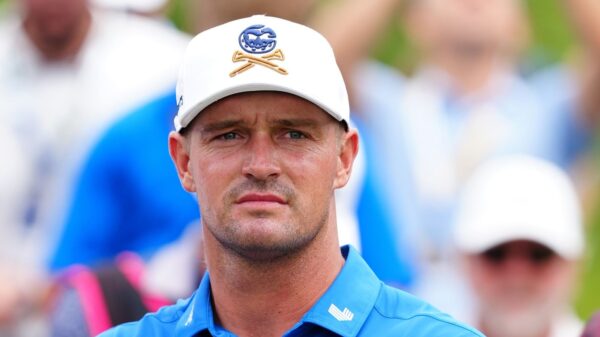
Bryson DeChambeau has remained largely tight-lipped as LIV Golf’s financial woes have unfolded, even as some of his fellow pros have begun to explore their options for an exit.
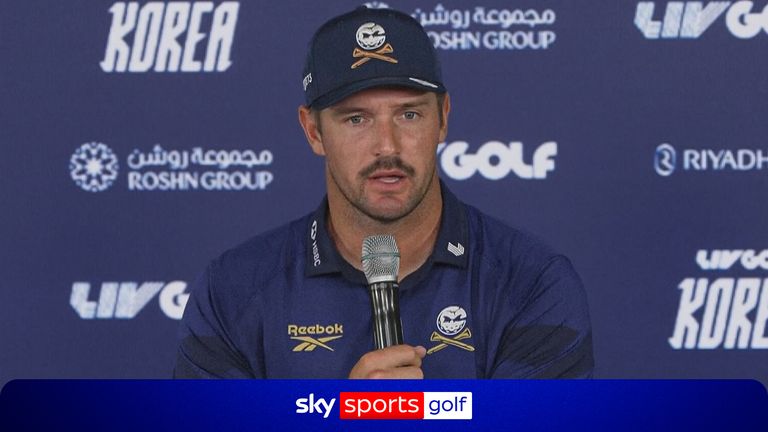
Bryson DeChambeau says LIV Golf players were ‘surprised’ by the Saudi Public Investment Fund’s decision to pull funding from the organization.
In May, he commented on the matter, saying he would focus on his YouTube channel if LIV Golf fails, picking him up for a possible return to the PGA Tour, but there are rumors that the two-time US Open champion could be given special privileges to play on the DP World Tour going forward.
Sky Sports’ Dame Laura Davies would like to see this happen. “I’m licking my chops. “Love it or hate it, you can’t stop watching it.
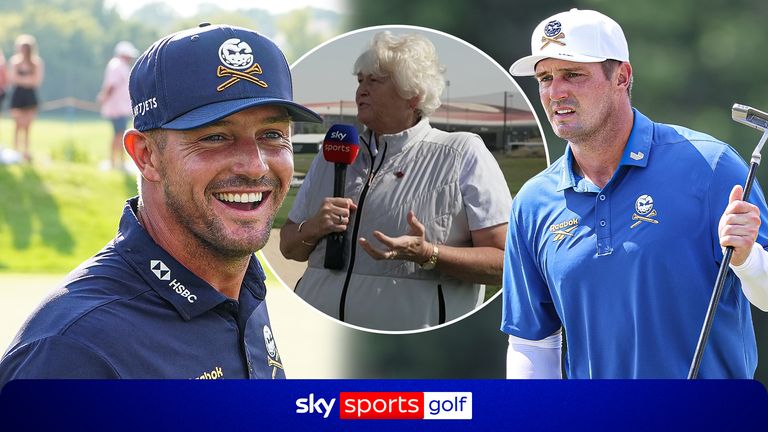
Laura Davies discusses how giving Bryson DeChambeau a tour lifeline will be a huge success for both him and the DP World Tour.
“If you ever get a chance, watch the guy hit the ball. He’s a little different — a little like John Daly back in the day when he was different.
“Bryson is different, and so the DP World Tour could be adding a massive asset to their artillery, which is great.”
What else about Phil Mickelson?
Mickelson was arguably LIV’s most important signing in the early days. The six-time major champion’s decision to join in 2022 was a huge statement of intent.
Four years later, his future is one of the biggest question marks in the wake of the league’s collapse.
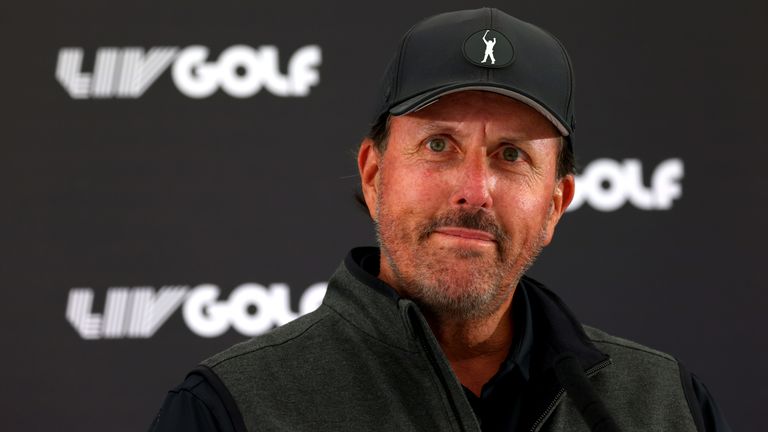
Phil Mickelson was one of the biggest names to commit to LIV early on
At 56, Mickelson’s best is well behind him – even when taking into account his incredible 2021 PGA Championship success – and, so far, he has not signaled his intention regarding any future plans.
His relationship with the PGA Tour has been particularly complicated, given his involvement in the initial push for LIV and the legal disputes that followed.
One possibility is for Mickelson to focus solely on playing in majors, where he can still compete through his existing exemptions where applicable.
However, further complicating his future in the game are allegations of misconduct leveled against him, with golf publication Skratch claiming earlier this year that he is no longer welcome at three California golf clubs due to inappropriate behavior towards women.

Phil Mickelson denies allegations of inappropriate behavior towards women
Mickelson denies the allegations, with his representatives calling the article an “anonymously sourced shot”.
Mickelson played just one LIV tournament this year, in South Africa in March, missing the rest of their schedule to prioritize “a family health issue.”
What about other LIV players? Will they be welcomed?
“That’s the big question. What happens to all those players? And it’s complicated,” Weir said.
“As far as the PGA Tour, they’ve been very consistent. They’ve said you have to sit out a year from your last LIV event before you’re eligible to play on the PGA Tour again.
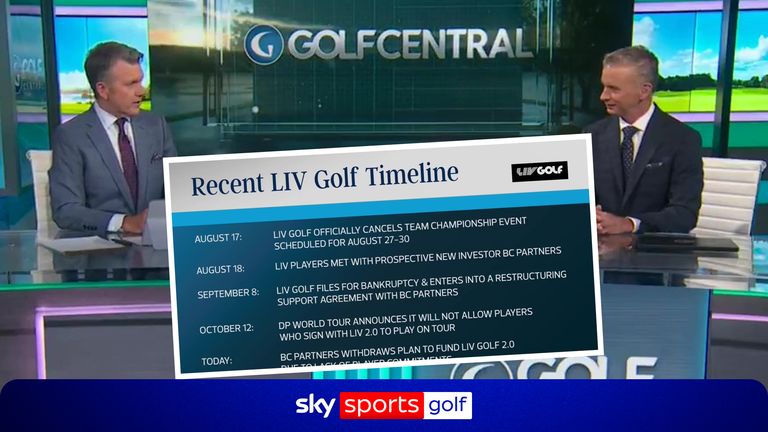
Speaking on the Golf Central programme, Rex Hoggard joins Todd Lewis as he looks at what could be next for the former LIV Golf stars on the PGA and DP World Tours following the disbanding of the tour.
“That means it won’t be until August 2027 that any of these players will be eligible to play on the PGA Tour either, as there won’t be the same loophole, the same olive branch that was extended in January of this year to four specific players: Brooks Koepka, Bryson DeChambeau, John Ram and Cameron Smith, which was essential to the return of Comeron Smith.
“Koepka was the only one who accepted that offer. The other three are probably ruining that decision right now.
“What that means is that the DP World Tour is now the most desirable option for many of these players. They have until November 15 to get DP World Tour membership, if they are eligible.
“In the cases of Rahm and Tyrell Hatton, they never gave up their membership.
“The likes of veterans Lee Westwood and Paul Casey, they haven’t declared their intention yet, but they have exemptions from the career money list, so they could rejoin the DP World Tour.
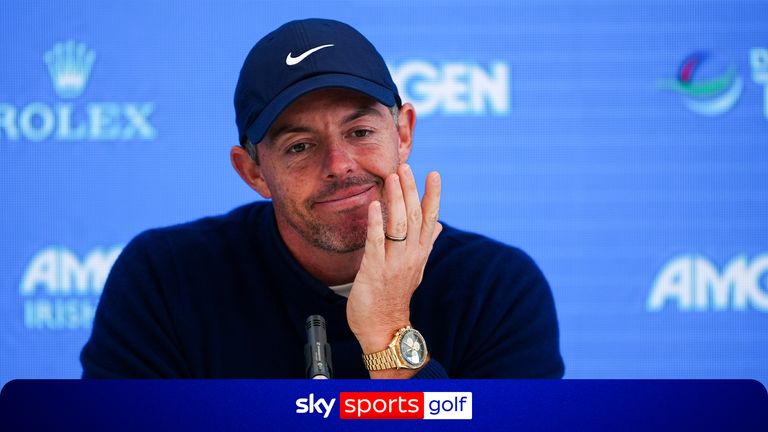
Rory McIlroy says players leaving LIV Golf would be ‘a good thing’ for the DP World Tour.
“Then it gets more complicated. DeChambeau, for example, winning the US Open in 2024 gave him a five-year exemption on the DP World Tour. But for every year he doesn’t get membership, he loses a year at the end.
“Bryson didn’t join in 2025 or 26, which means he’s missed out on 28 and 29. He has the option for 2027, but that’s his last option.
“For other major champions, like Smith, Phil Mickelson and Dustin Johnson, that door is closed.
“That means they’ll have to rely on invitations to events on the DP World Tour, and even if they do get invites, they’ll have to add value to that event. And it won’t be in the main events.
“It’s going to be a long and very complicated road back to the top.”
What else about LIV Golf?
As things stand, LIV Golf as we know it is winding down, with its assets being prepared for liquidation.
LIV’s creditors’ committee will meet on November 20, and another bankruptcy hearing is scheduled for November 24.

Brandel Chamblee gives his thoughts on the potential return of Bryson DeChambeau, adding that he believes LIV has made golf less competitive.
However, this does not necessarily mean that the concept of a breakaway golf tournament will disappear forever.
Like football’s proposed Super League in 2021, the threat of a coup attempt could loom large indefinitely.
LIV demonstrated an appetite for, among other things, some type of team golf-style event, a more favorable schedule, more international tournaments and larger prize pools, which has forced the PGA Tour to reexamine aspects of its business model.
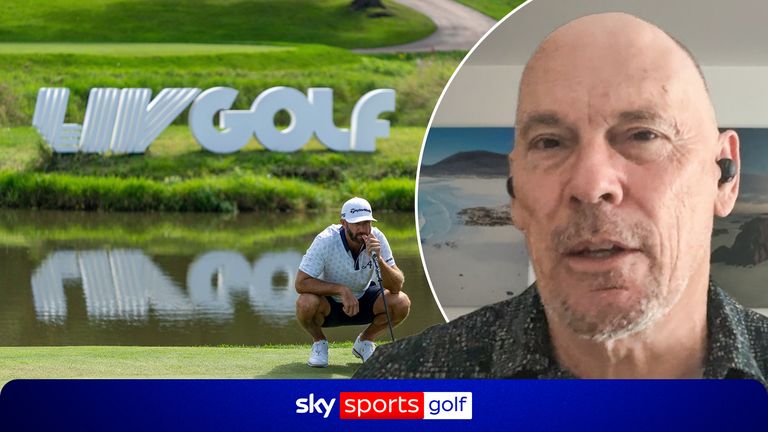
On the Sky Sports Golf Podcast, Rob Lee dives into the latest developments surrounding the future of LIV Golf.
There may still be opportunities for investors to acquire LIV’s remaining assets, trademarks or other business interests.
However, recreating the competition would require significant financial support and commitment from key players. But those burned by its ultimate collapse in this case will surely be reticent to associate themselves with the brand once again.
And without the players, finding investors willing to take on the financial risk will be nearly impossible.

Get the best prices and book a round at one of 1,700 courses in the UK and Ireland