



















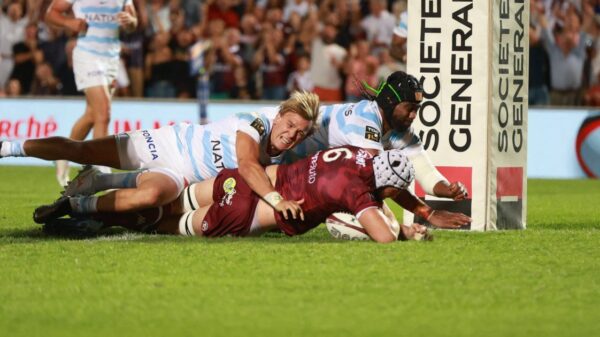
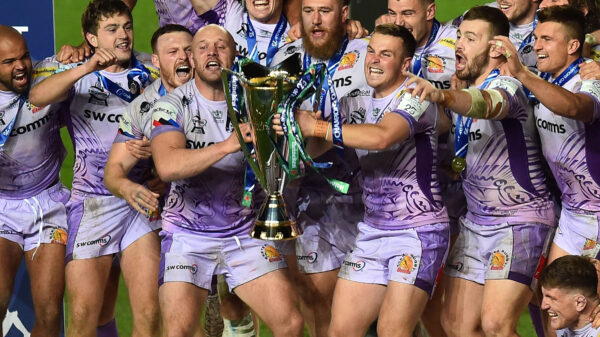

















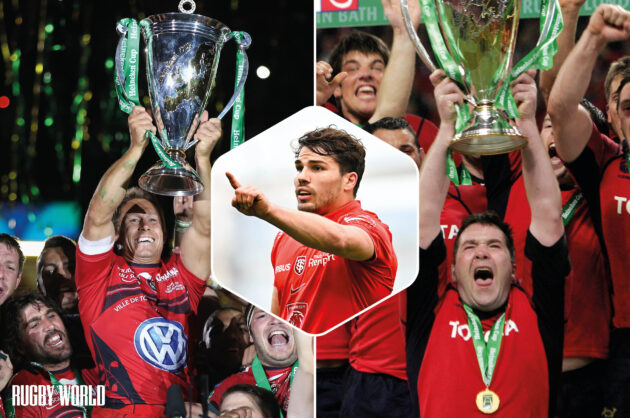
Ahead of the new Champions Cup season, here are 12 players and coaches who have helped define Europe’s first club competition since its inception in 1995.
The latest edition of the European Champions Cup kicks off on Friday, October 16, when reigning champions Bordeaux Bègles open their title defense against Gloucester at Kingsholm.
The competition has come a long way since it began on October 31, 1995, with just 3,000 spectators watching Toulouse beat Romania’s Farul Constanta 54-10 in the first game of what was then known as the Heineken Cup. English and Scottish clubs did not participate in that first tournament, which featured 12 teams from five countries.
Since then, some bona fide greats have performed heroics in the closest club game to Test rugby. The dozen or so players we’ve selected here have made their mark on the competition and deserve to be listed as icons – they’re what Europe’s current crop of stars are aiming for this season.
The biggest legends of the European Rugby Champions Cup
Brad Barritt (Saracens)
(ODD ANDERSEN/AFP via Getty Images)
Maro Itoje, Owen Farrell and Alex Goode may have won European Player of the Year in Saracens’ Champions Cup-winning seasons, but Brad Barritt captained them all – 2016, 2017 and 2019. And in 2018, the center showed bravery when he played in the quarter-finals just days after surgery on a broken cheekbone.
Nicknamed ‘The Terminator’, he lost on that occasion. But he came back to reclaim the title in 2019, winning man of the match against Leinster.
Leo Cullen (Leinster)
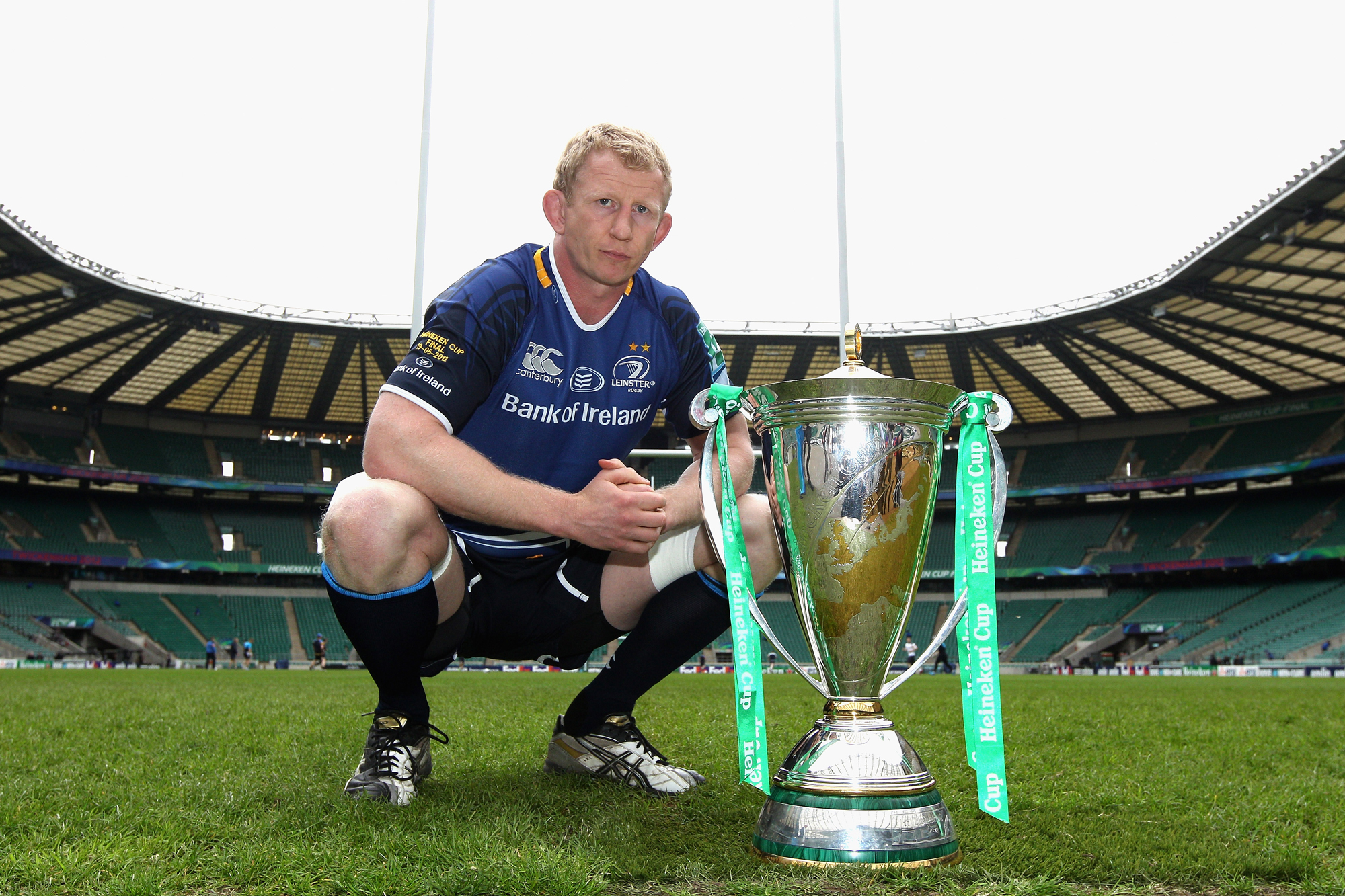
(David Rogers/Getty Images)
Leinster won four Champions Cups with Leo Cullen involved in the draw as well as losing four finals. He was the first player to captain a team to three wins in the tournament, completing a hat-trick in 2012 before retiring in 2014.
As a player, the former lock was in the Leicester side that lost the 2007 final before returning home and bringing some of the Welford Road work ethic back to Leinster – with impressive results.
He then joined the Leinster staff and became the first man to win a major European trophy as a player and coach when his province beat Racing 92 in the final in 2018. It was the last time Leinster lifted the Champions Cup and Cullen will be desperate to get his hands on the trophy in his final season in charge – especially after losing five of the last eight finals.
Christophe Deylaud (Toulouse)
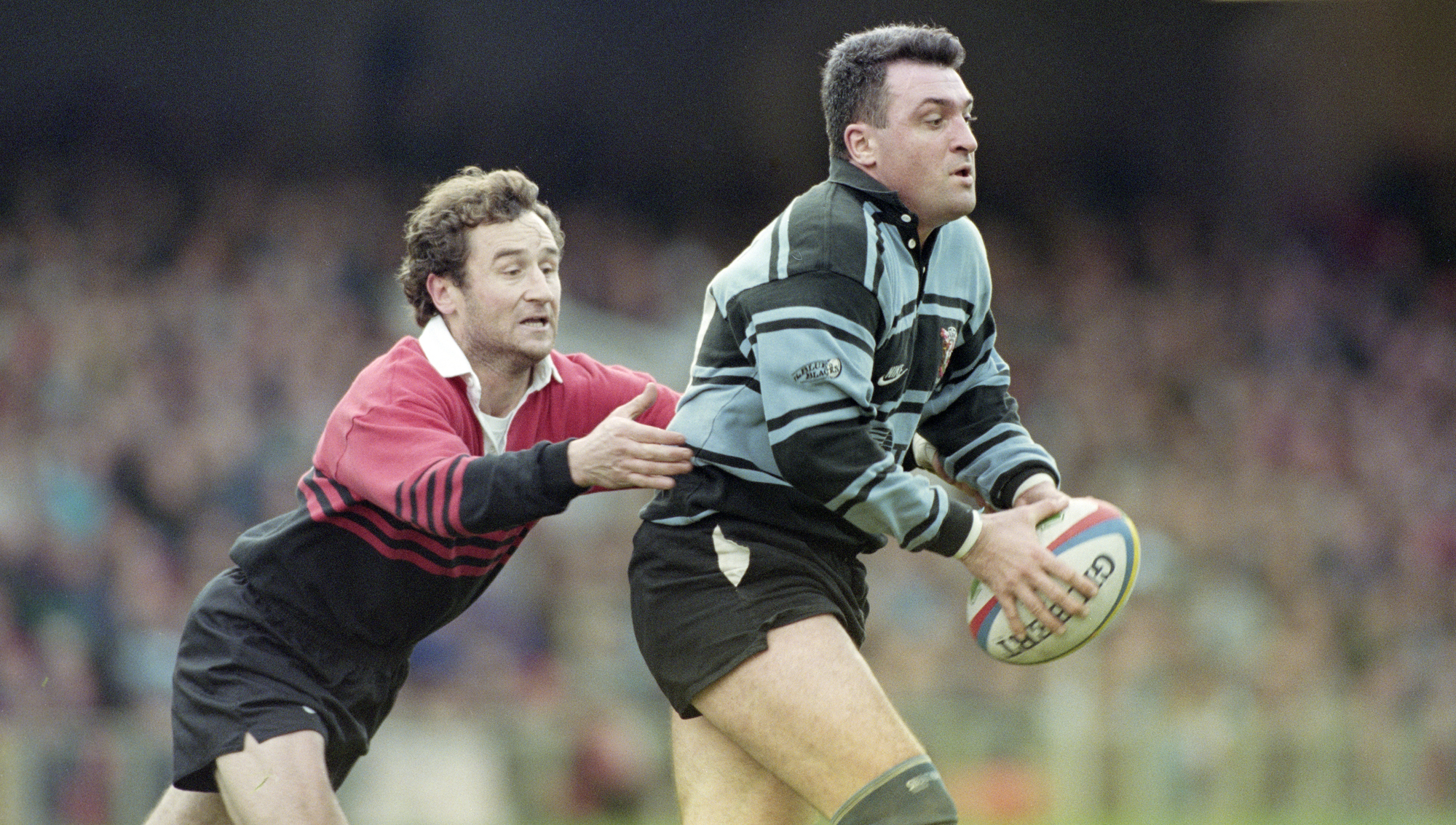
(David Rogers/Allsport/Getty Images/Hulton Archive)
No-one can take that away from a first-timer, and Deylaud, half-half in a Toulouse team containing Thomas Castaignède, their current head coach Ugo Mola and Emile Ntamack, was the man to grab his slice of history in the 1996 final.
In the first final of the Champions Cup, the French team was tied at 15-15 with Cardiff after 80 minutes in front of 21,800 at the Arms Park.
As extra time wore on, the teams were locked at 18-18 before Cardiff prop Andrew Lewis was caught with his hands on the ball by referee David McHugh.
Deylaud’s shot, from the left of the post, was simple, but it was the first to win the European Championship and Toulouse had a piece of history. Deylaud later became a coach in Agen and Bayonne.
Antoine Dupont (Toulouse)
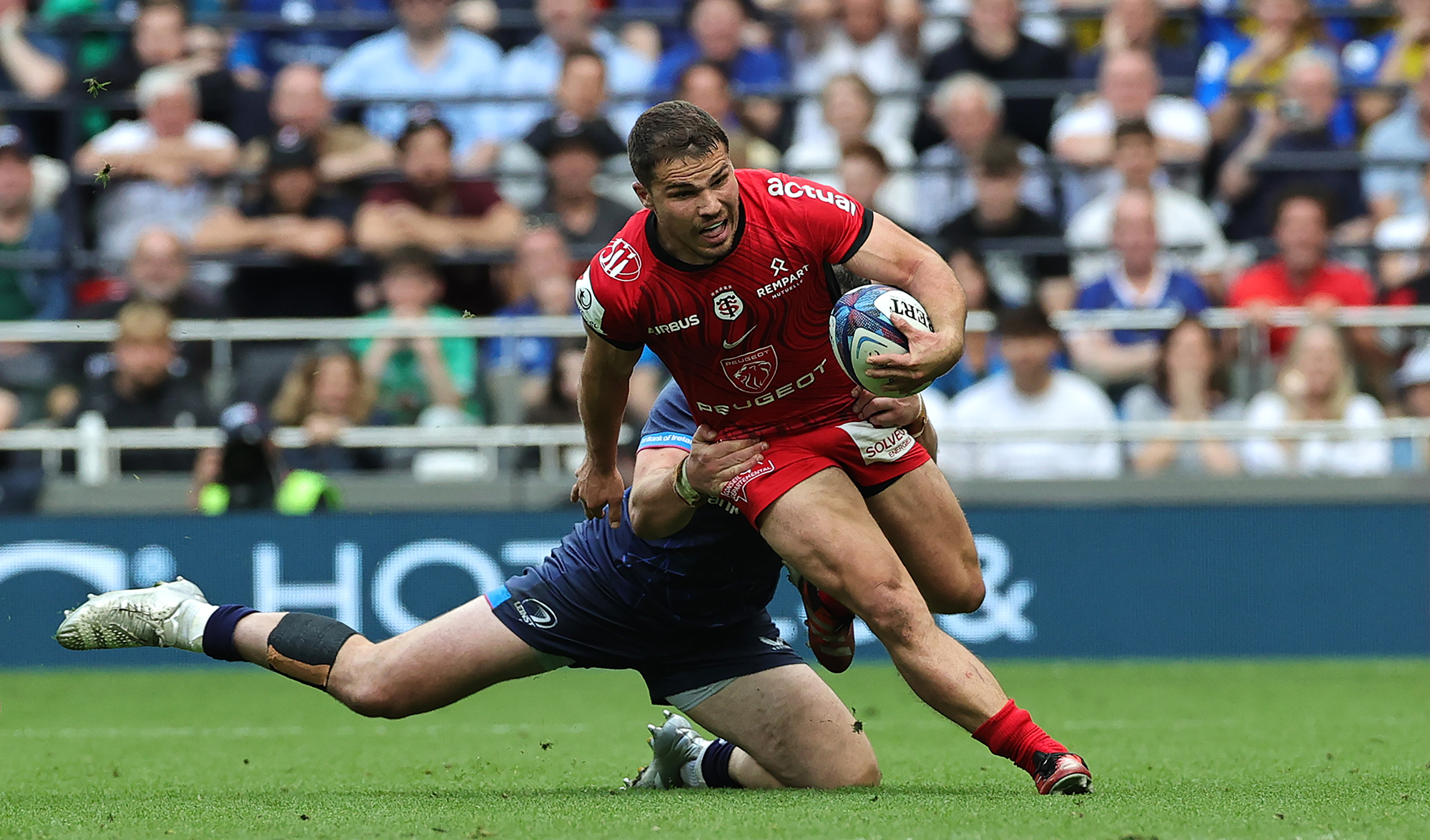
(David Rogers/Getty Images)
No rugby list these days is complete without Antoine DupontChampions Cup winner in 2021 and 2024 and man of the match in Toulouse’s 31-22 win over Leinster in 2024.
In that epic final in north London, the number 9 showed his full range of skills, striking with both feet, making two 50-22s, four turnovers and attempted saves. His performance was all the more remarkable for what he missed Six Nations to play the week before the Olympic Games in Paris. TV expert Benjamin Kayser said: “His highlight reel would last all day. He did almost everything in that match.”
It added to his first title, a 22-17 win against La Rochelle at Twickenham in 2021.
Anthony Foley (Munster)
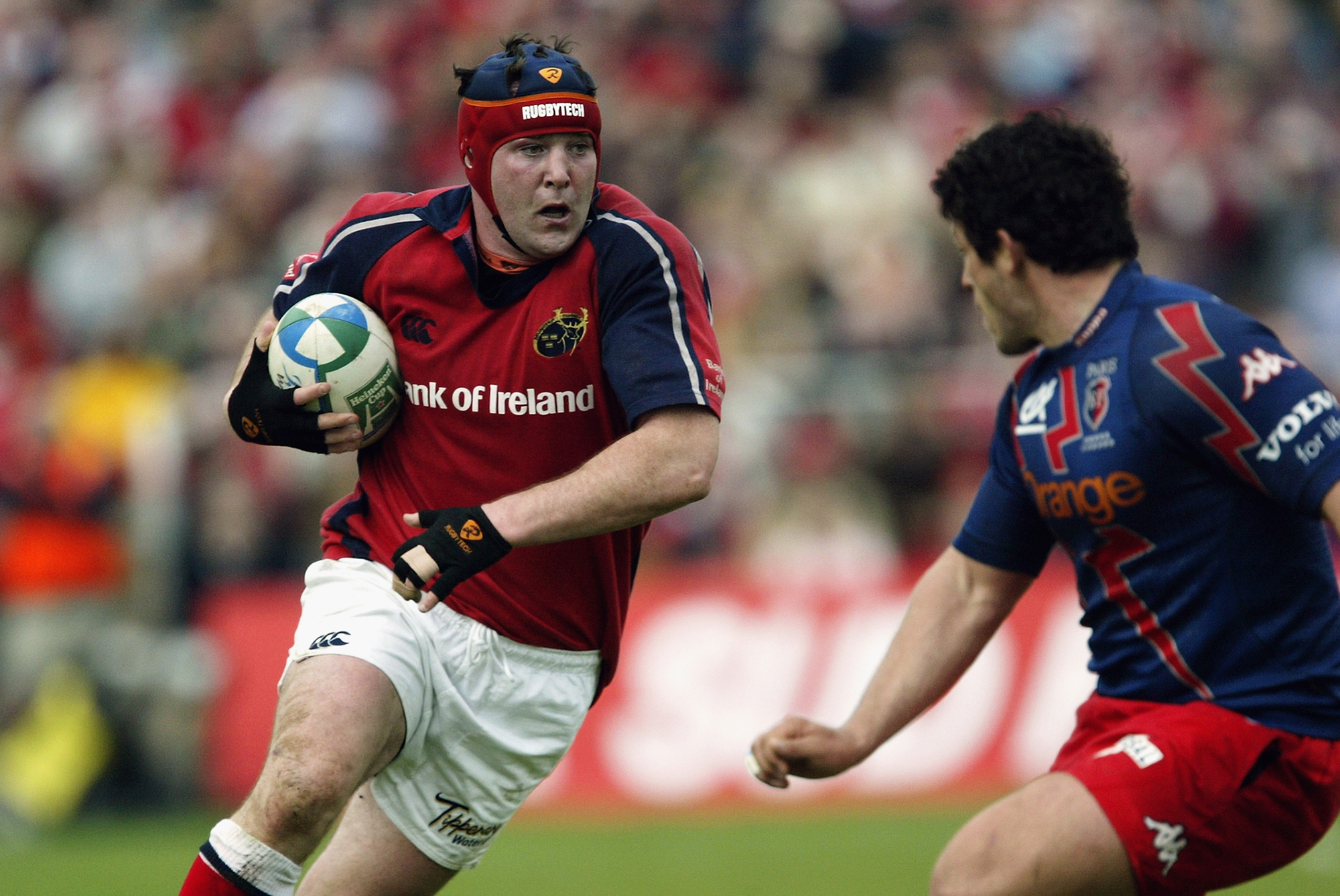
(John Gichigi/Getty Images)
Anthony Foley captained Munster to their first Champions Cup win in 2006, a 23-19 victory over Biarritz in Cardiff, which brought an emotional end to a run of agonizing knockout defeats. The No.8 missed just one of Munster’s first 78 games in the tournament but was dropped before the 2008 triumph and retired that season.
Foley joined Munster’s academy and then became forwards coach in 2011. But, like his life, his death will forever be entwined with the Champions Cup. On a trip to Paris, preparing Munster to play Racing in October 2016, Foley died in his sleep, aged just 42. Sky Sports replayed the 2006 final as a tribute.
Austin Healey (Leicester Tigers)
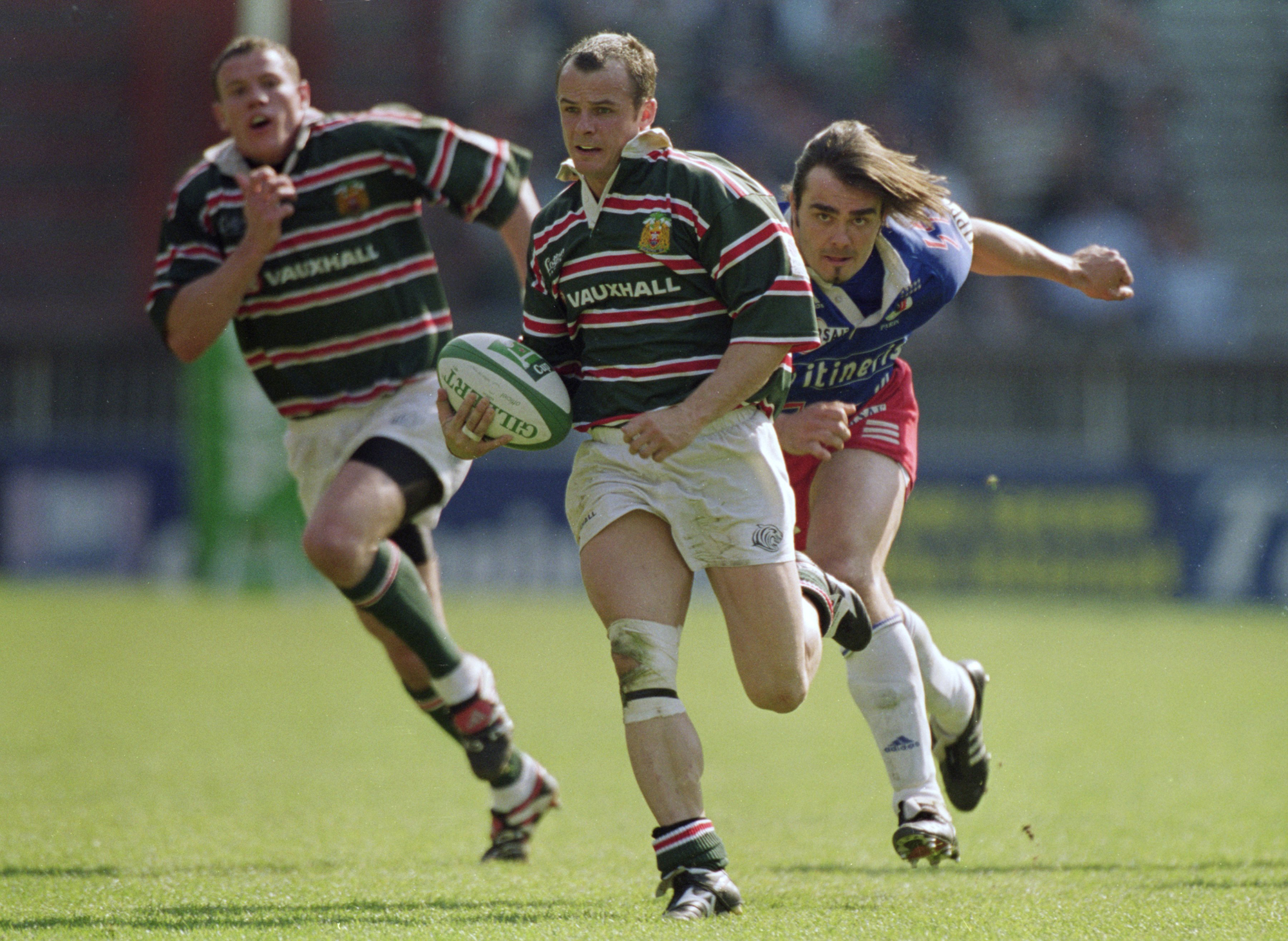
(Jamie McDonaldAllsport/Getty Images)
Younger readers may know Austin Healey as an expert who talks a very good game, but he’s also been able to play a very good game in the past.
Scrum-half, fly-half, full-back and wing were covered by Healey and he made the switch to nine and ten when Andy Goode departed in the 2001 final which ended in Leicester’s 34-30 victory over Stade Français at the Parc des Princes. Healey scored a try in the 79th minute for Leon Lloyd to give the Tigers a two point lead.
A year later, Healey started at half-time in a 15-9 win over Munster, scoring in the 59th minute and being named man of the match in a second successive final. The game is notable for the ‘Hand of Back’ incident – but Tigers fans will tell you Healey was the difference.
Rob Howley (axes)
(FRANCK FIFE/AFP via Getty Images)
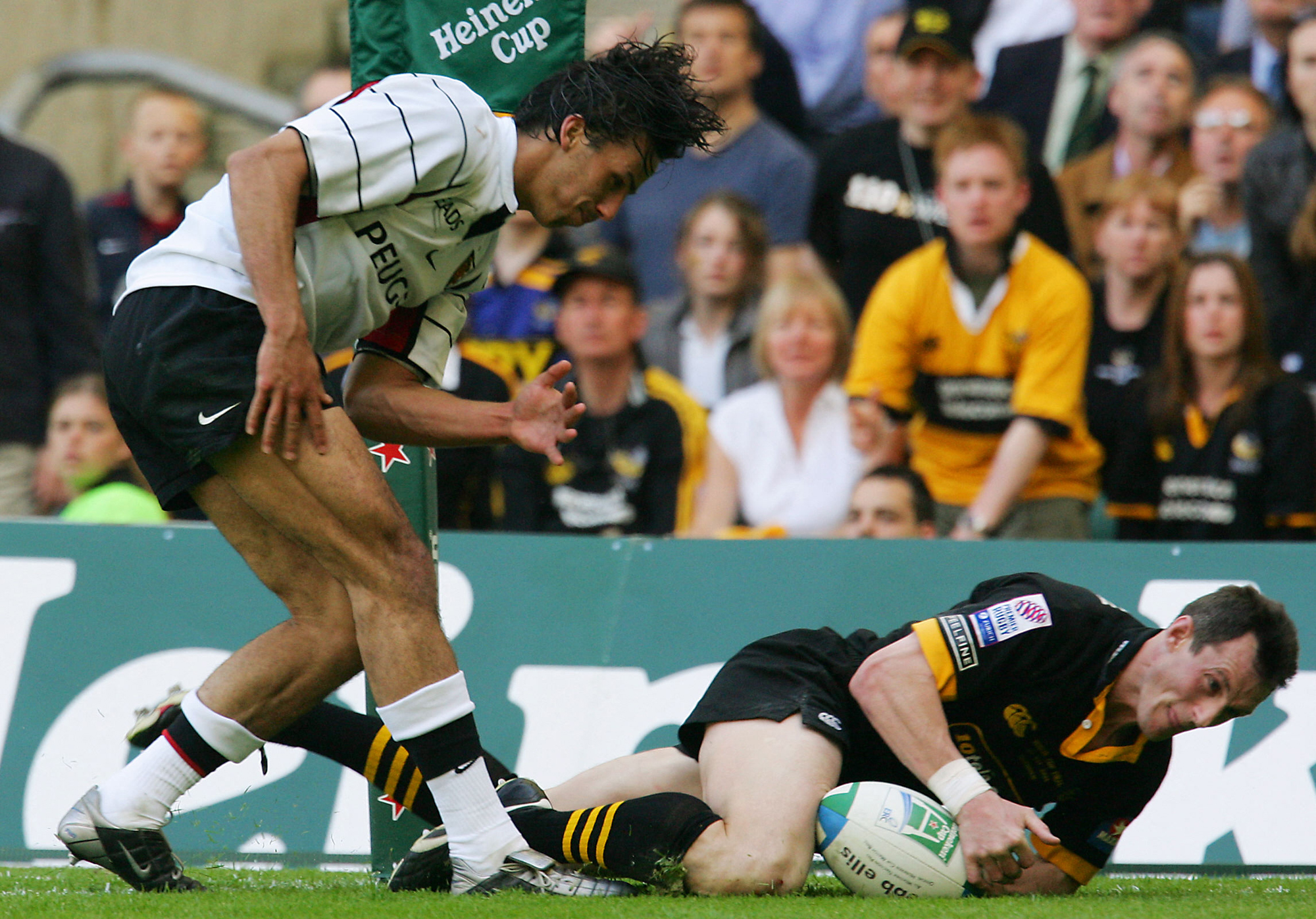
Scrum-half Rob HowleyThe intervention in the 2004 final at Twickenham was brilliant and a reward for perseverance. But nobody’s talking about ‘doing Howley,’ so, more than two decades later, we’re going to give him top billing here. ‘Doing a Poitrenaud’, however, has been in the rugby vocabulary ever since.
Wasps and Toulouse were locked at 20-20 with two minutes remaining when Howley speculatively drilled the ball down the left touchline, where Clément Poitrenaud tried to clear it to safety. But the ball bounced around without making contact and Howley pounced for the goal. It looked lost, but Howley proved otherwise and Warren GatlandWasps had their first European triumph.
A lot of persistence (Leinster)
(Stu Forster/Getty Images)
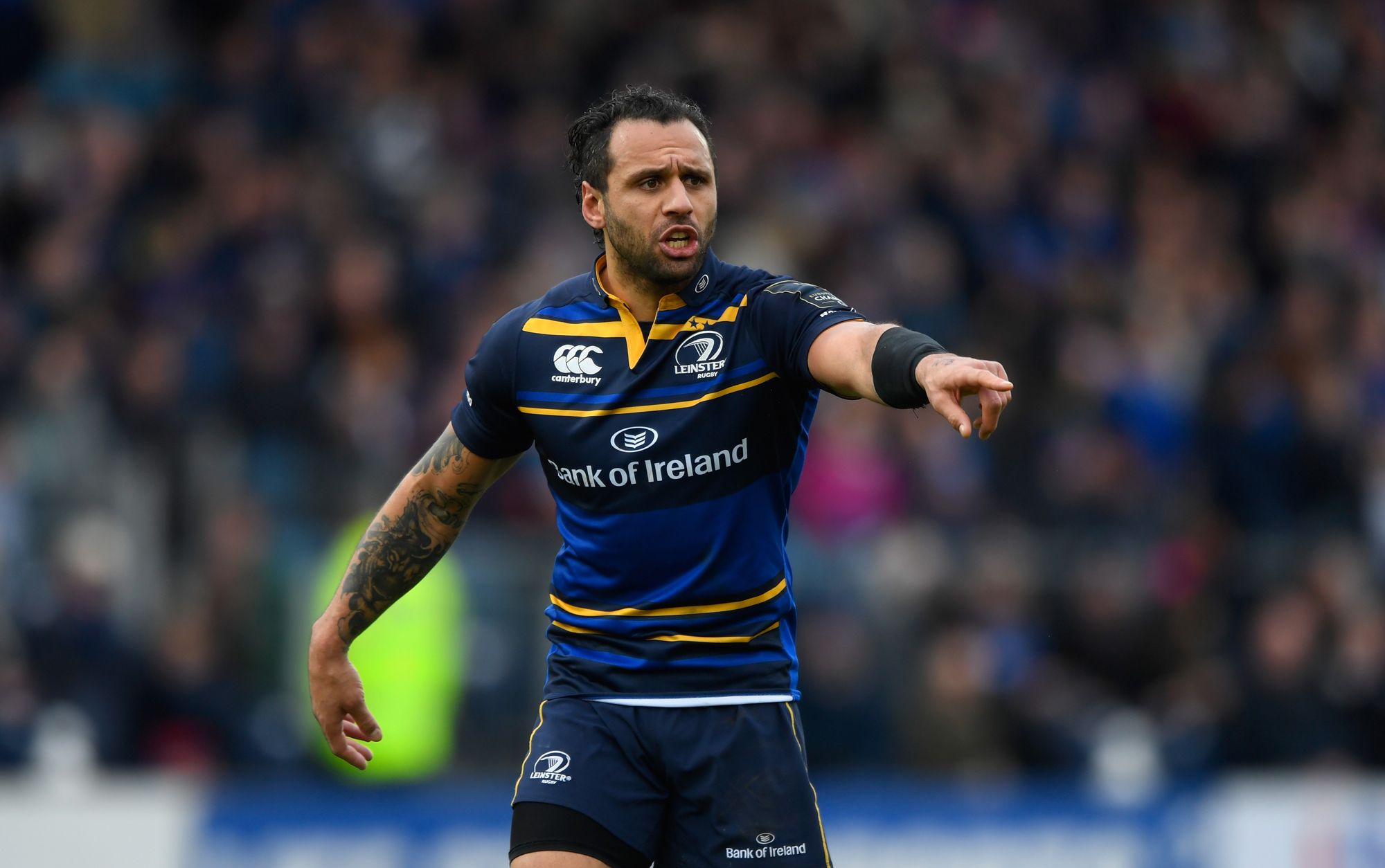
“Leinster’s biggest impact who had a profound impact on the whole organization and changed our way of thinking,” is how Johnny Sexton described Isa Nacew, the Aucklander who appeared in Dublin in 2008.
Nacewa played mainly on the wing or full-back in winning four Champions Cups – playing the 2011 final against Northampton with a broken leg – and the Challenge Cup in two matches with the province. Leo Cullen convinced him to return to Leinster in 2015 to help rebuild the squad and three years later Nacewa kicked the winning penalty as Leinster beat Racing 15-12 to claim a fourth title.
Guy Novès (Toulouse)
(David Rogers/Getty Images)
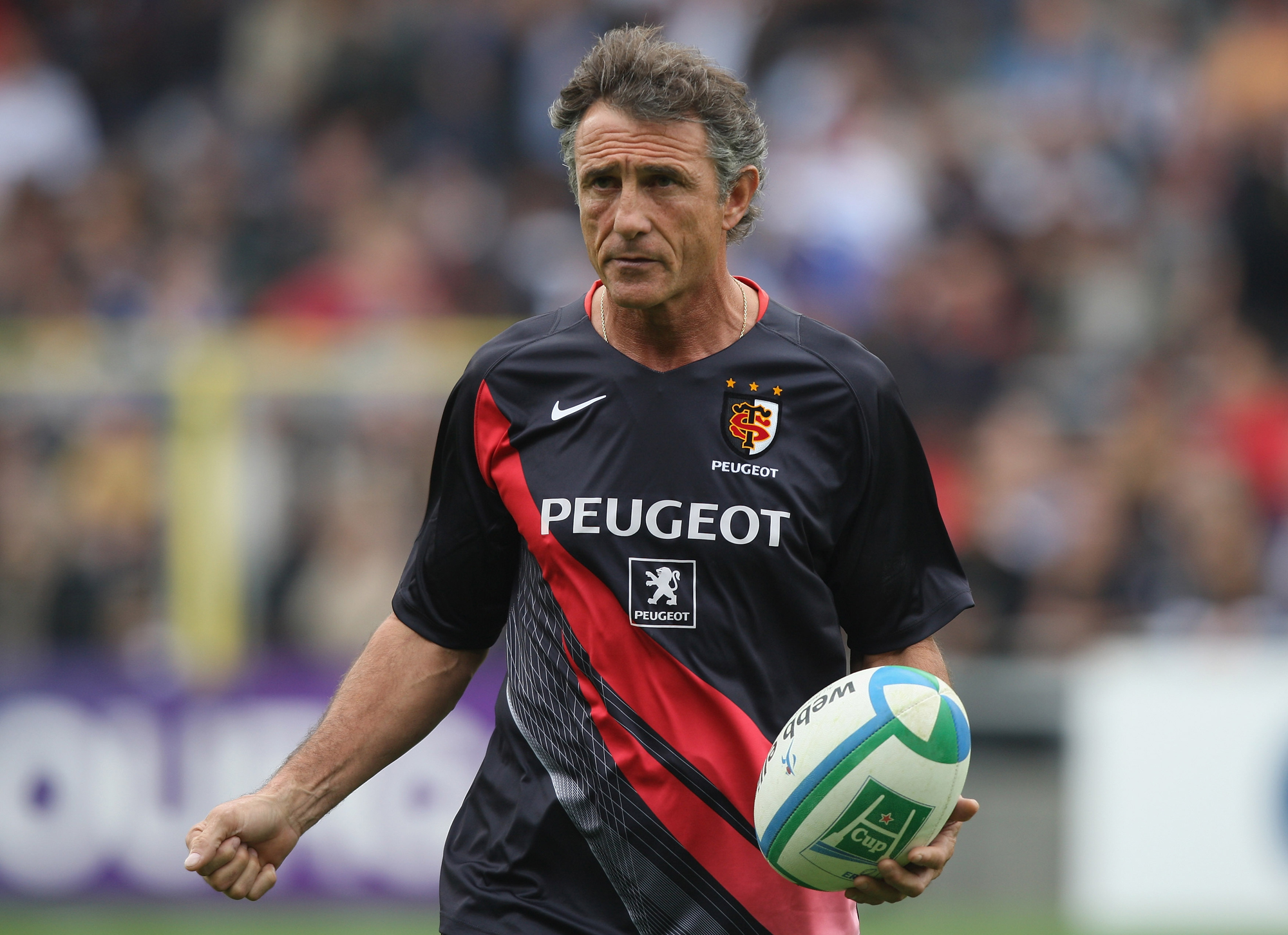
Guy Novès (who later coached the French national team) led Toulouse to four European titles, including the first in 1996 and victories in 2003, 2005 and 2010.
The former France winger hit the headlines after the 2005 final at Murrayfield, an 18-12 victory against Stade Français. Novès was escorted to a room deep inside the stadium after a scuffle with the stewards at the final whistle. He said he was trying to usher his son and a club official onto the field, but the police intervened and locked him up.
“I was surrounded by 17 policemen. I felt like a hooligan,” said Novès, who vowed to win the cup again – which he did five years later.
Ronan O’Gara (Munster and La Rochelle)
(Warren Little/Getty Images)
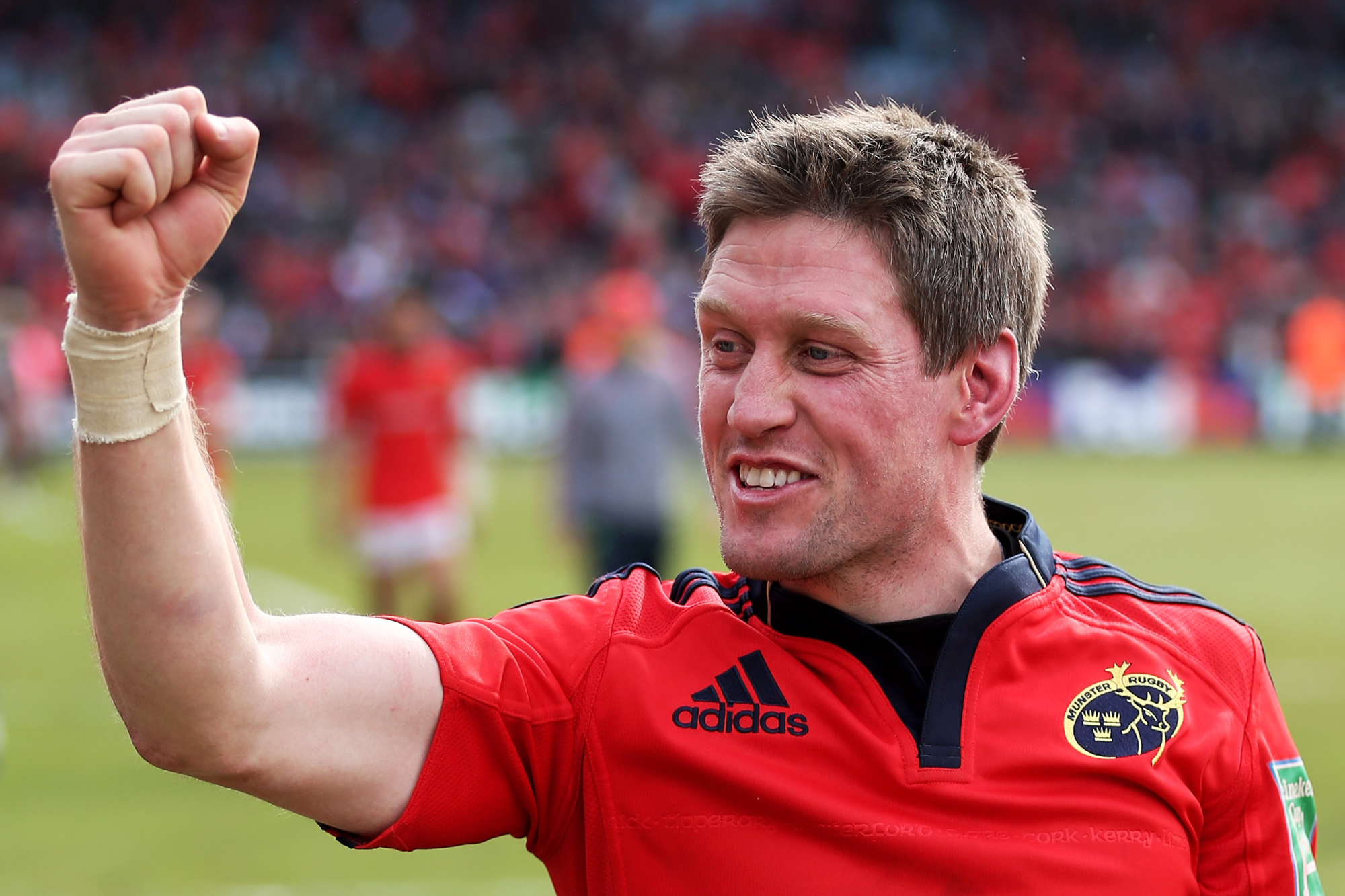
A double winner as a player with Munster in 2006 and 2008, and named European player of the first 15 years of the Champions Cup, Ronan O’Gara emulated that as a manager when he helped La Rochelle to the 2022 and 2023 titles after epic finals with Dublin and Leinster in Marseille.
The fly-half amassed 1,365 Champions Cup points in 110 tournament appearances, with his two strikes against Gloucester in 2003 ending the competition known as ‘The Miracle Match’.
Munster needed to beat the West Country side by at least 27 points, with four tries, to progress to the quarter-finals. Gloucester came flying into the Premiership but O’Gara’s conversion of John Kelly’s try at the death sealed a 33-6 victory and Munster qualified. The Irish then beat Leicester 20-7, but went out against Toulouse in the last four.
Johnny Sexton (Leinster)
(Ben Radford/Corbis via Getty Images)
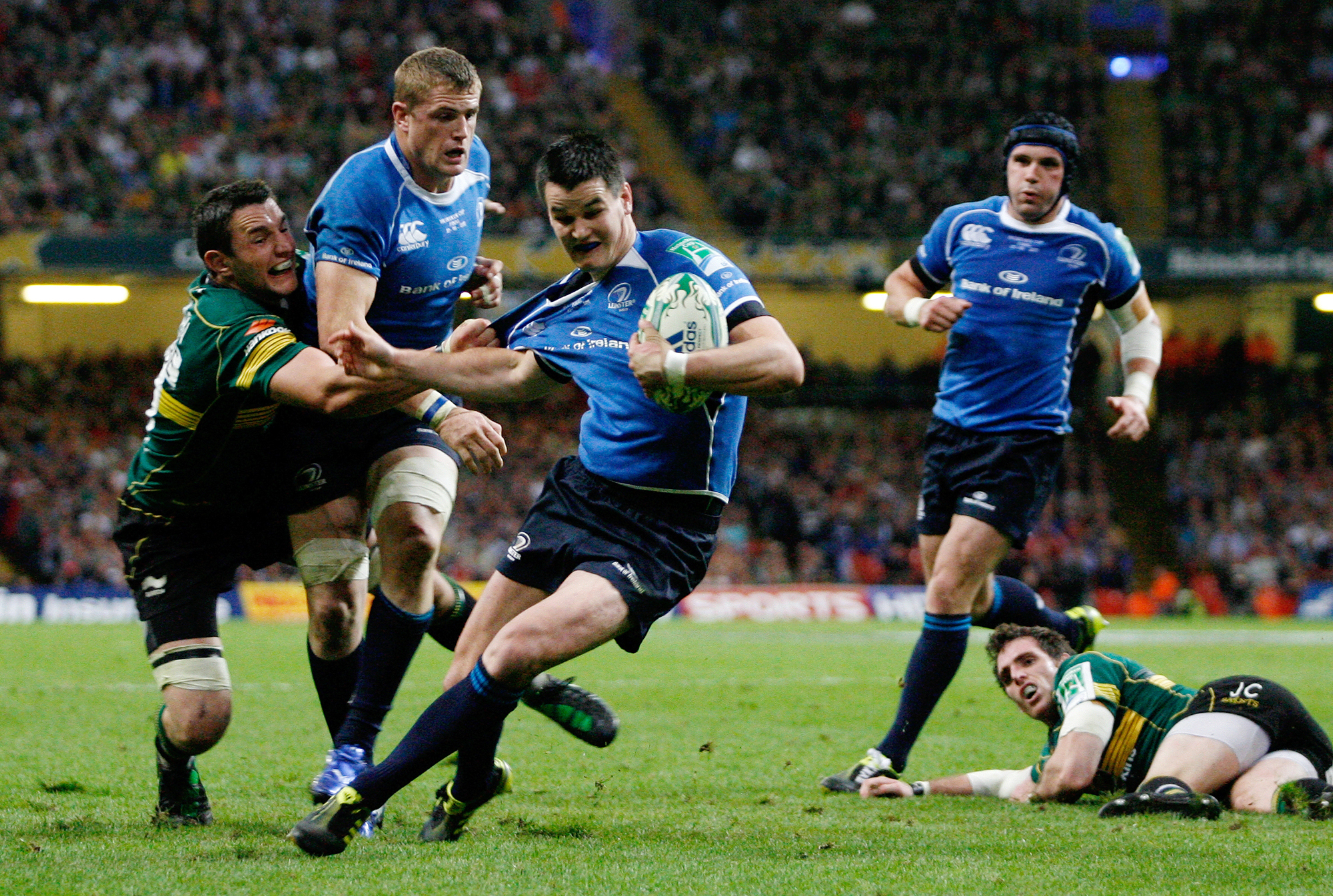
Johnny Sexton he won Europe four times with Leinster, but it was the 2011 final, against Northampton in Cardiff, when he made his mark on the competition. The Irish province beat Leicester 19-16 in 2009 but the No 10 inspired a comeback two years later to rank with all the tournament has seen.
The Saints led 22-6 at halftime before Sexton tore off the tape from his side in the locker room. He invoked the spirit of Liverpool against AC Milan in the 2005 Champions League final, when they came back from 3-0 down to win on penalties. Leinster blew away the Saints in the second period to win 33-22, with Sexton contributing 28 points in a performance that still resonates.
Jonny Wilkinson (Toulon)
(John Berry/Getty Images)
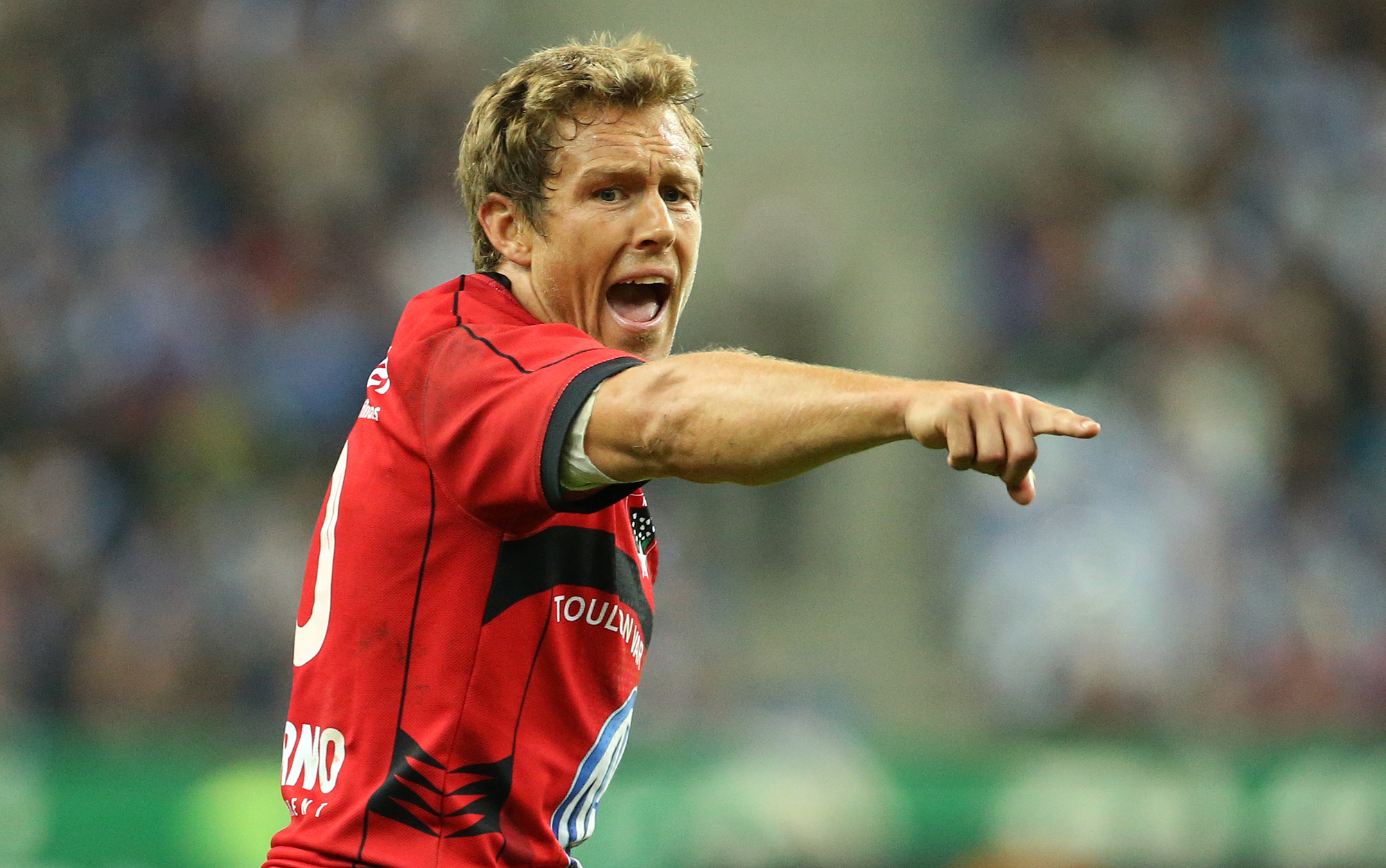
Before Jonny Wilkinson joined Toulon in 2009, the club was punching well below its weight and wages. The 2003 World Cup winner changed all that, turning them into a European giant with his relentless work ethic and leadership. He became a local hero, married his wife Shelley by the mayor in 2013 and is still revered in the town.
And it’s no wonder. The fly-half lifted the Champions Cup with Toulon in 2013 and 2014, scoring 24 points in final wins over Clermont and Saracens. He was named the European player of the year.
“He is Jonny of Toulon, he is the king of Toulon,” said club owner Mourad Boudjellal.
Download the digital edition of Rugby World directly to your tablet or subscribe to the print edition get magazine delivered to your door.