





















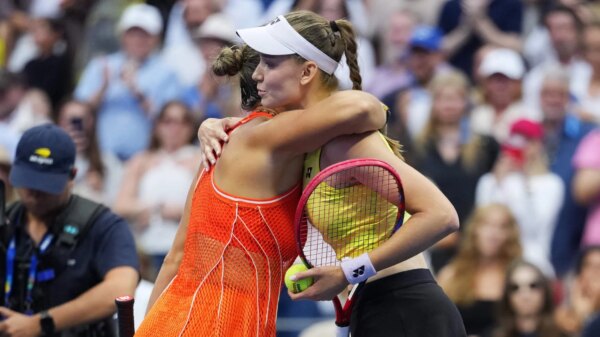
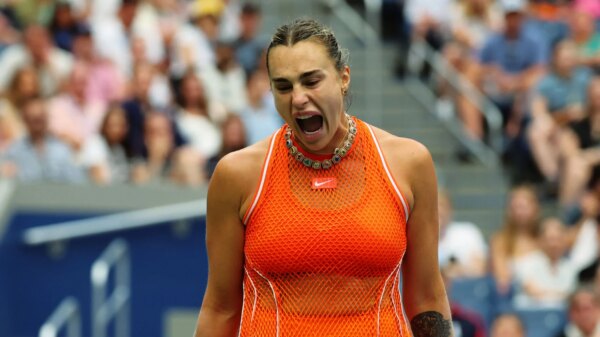












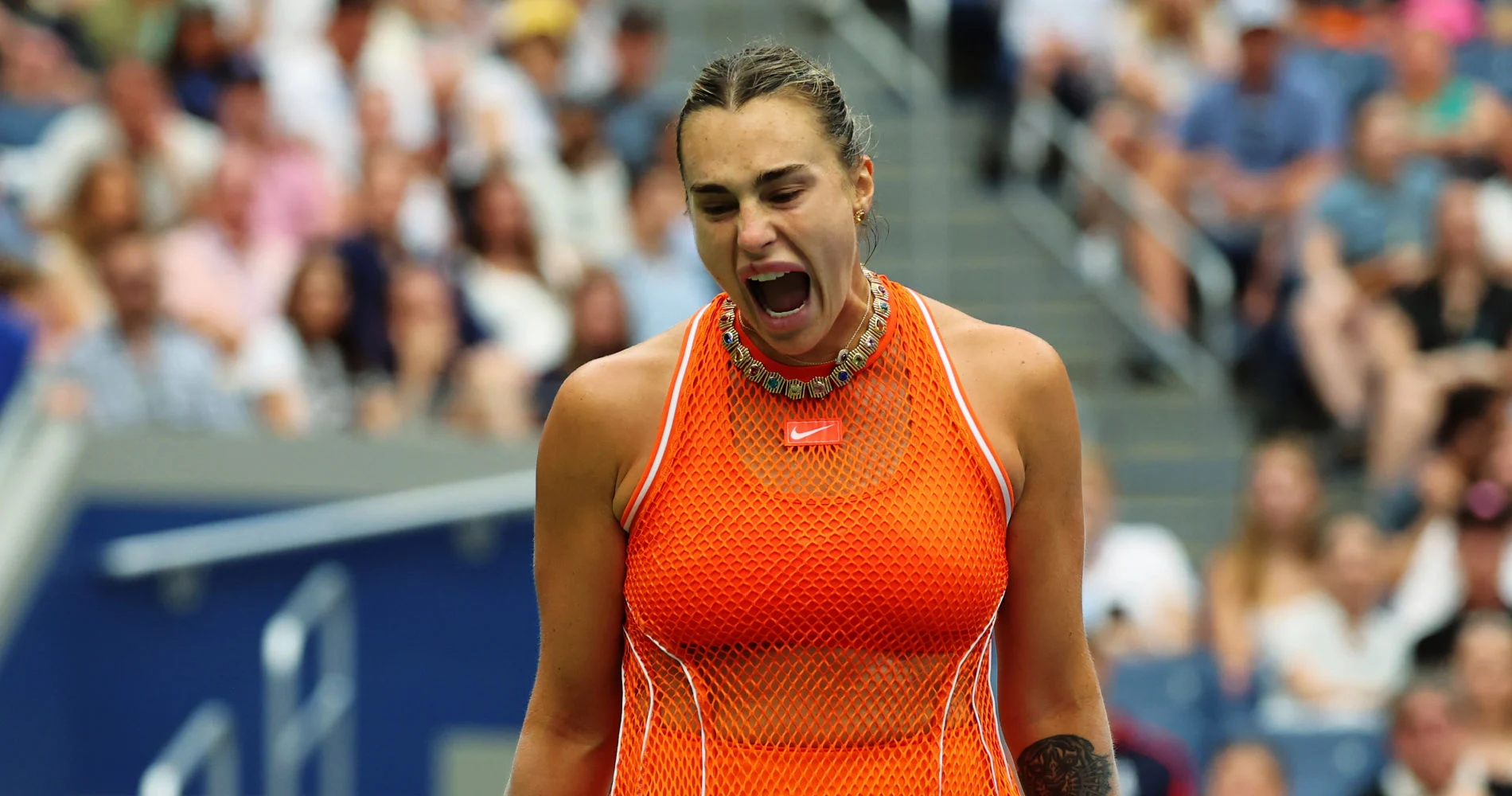
“It’s really hard to control your emotions when you lose a Grand Slam final and when you’re trying to go for the three-peat,” he said. “So I just wanted to leave it because if I kept it inside, right now, or here or there, on the court, I wouldn’t be able to say a word, or I just wouldn’t be going over there as nicely. So I just wanted to let all that aggression and frustration out.”
A question he would not accept
The next question gave him a theory. “I think a lot of times people will think that experience and playing a lot of finals makes things easier. I wonder if it starts to get tougher when you feel like it’s something; “Oh no, I’ve lost them before. It’s going to hurt. It’s kind of a bad feeling.”
He dropped the premise in eleven words.
“You think too much,” he said. “I was just racing out there and trying to do the best I could with what I had out there today. Not good enough.”
There is a tension in what he said, which he did not try to resolve. His first response of the night, at the level he had given it, was unsparing. “Obviously, I’m not very happy with the level I played today, but he served unbelievable. He played really aggressive, great tennis. He was just a better player than me today.”
Less than a minute later, when asked what he was taking away from the tournament in which he reached his fourth straight final, he said otherwise.
“Overall I have to be happy with the level I played and there’s a lot to take from this tournament,” he said. “As experience shows I only come back stronger and all the lessons this season have definitely made me stronger but will definitely push me to do a better job next year.”
Sabalenka will not be world No. 1 on Monday for the first time since October 2024. When asked how many weeks he spent it, he did not know. Said it was 99, he laughed. “Well, that’s amazing. Let’s see if Elena can beat me at it. If he keeps playing like that, then yeah, I’m in trouble.”