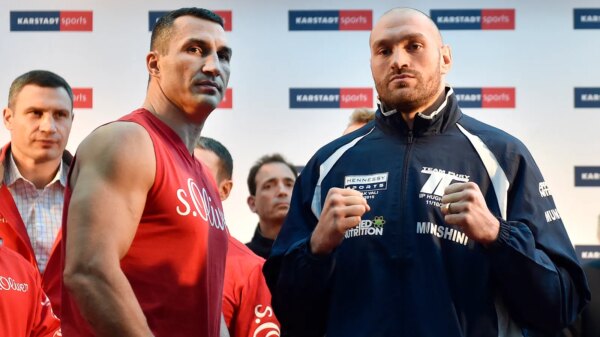























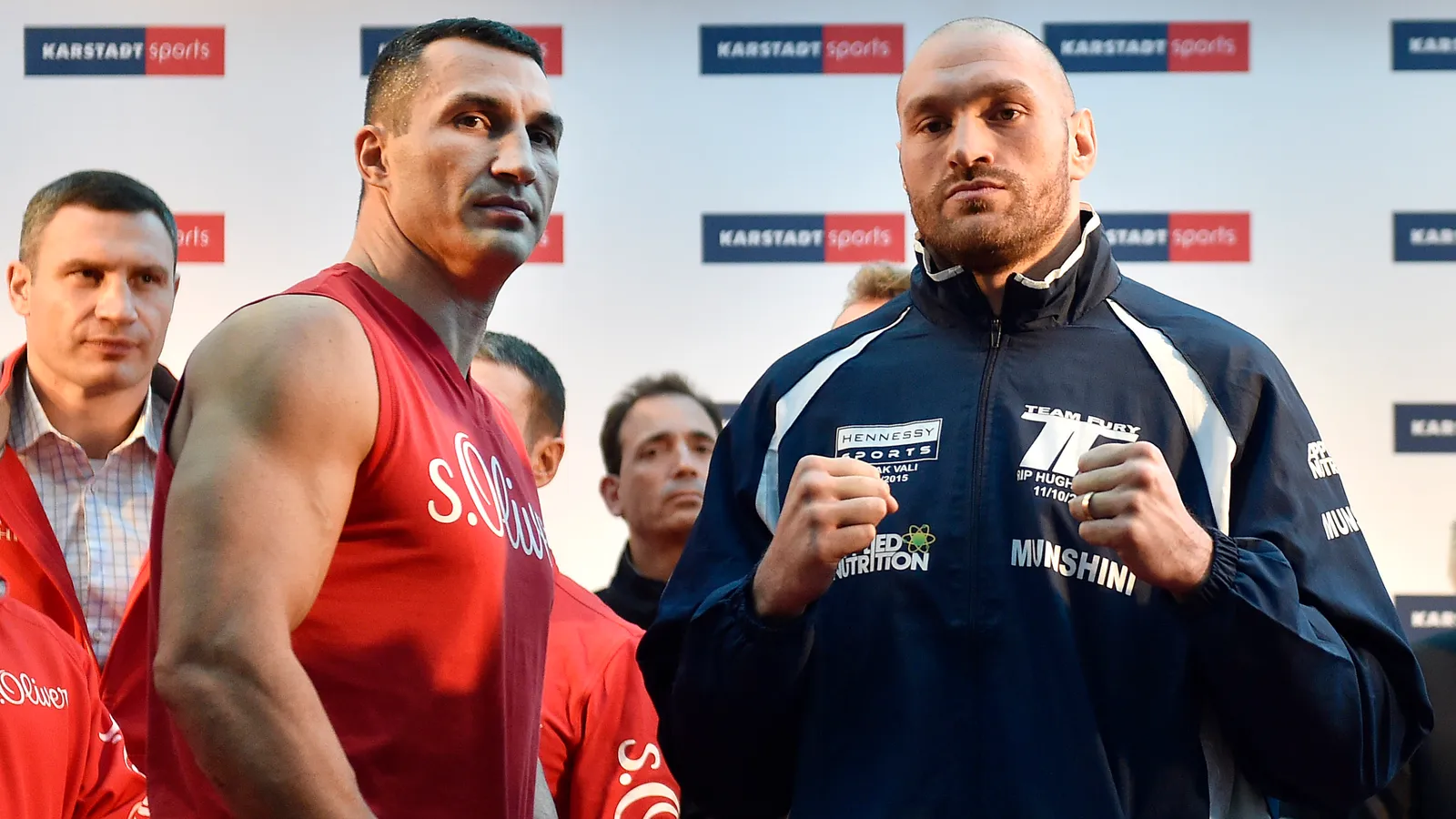
On this day in 2015, Tyson Fury climbed his Everest. He dethroned Wladimir Klitschko, the dominant heavyweight of the era, to win the unified WBO, IBF and WBA world heavyweight championships.
It was the goal Fury had aimed for throughout his career. Klitschko had ruled the division for a decade and was selling out stadiums in Germany.
Fury traveled to Dusseldorf as an underdog but fully convinced he had the tools to unseat Klitschko.
However, on the day of the fight, an explosive brawl at the Esprit Arena threatened to derail the entire event.
Peter Fury, Tyson’s uncle and then trainer, decided he wanted to inspect the ring beforehand. Then they saw something they hadn’t expected. Feeling the canvas, they realized that the layers underneath were sponges.
Tyson Fury climbed the ropes to jump on the balls of his feet to the canvas where he was to, hours later, stage a remarkable victory.
“There’s no way you can fight about it,” said his father John Fury.
“You know what they did it for,” said the then-heavyweight title challenger, “so I can’t move.”
Speaking to the camera, Tyson Fury stated: “They must have half a foot deep of sponge on the canvas. It’s like training on a beach in the sand. It’s absolutely ridiculous and I can tell you now, Sky Sports viewers, there’s no fight if that ring isn’t fixed.
“I’m a mover and I move, that’s how I fight. I can’t move in that ring.”

Tyson Fury celebrates his landmark 2015 title win
The story could have been very different. If he had gone on with the fight, he might—probably would have—lost. He certainly wouldn’t have been able to box the way he successfully did later that night.
“My fighter is not fighting in quicksand,” his trainer Peter Fury said at the time.
They undid the canvas of the ring to look down; there were two soft layers that they insisted had to be removed.
Vitali Klitschko, Wladimir’s older brother and himself a formidable former world heavyweight champion, was on hand to answer. He stood in the ring by himself, climbing over the top rope and powering down Fury’s team on the arena floor.
Mick Hennessy, Fury’s promoter, told him: “You’re trying to control this but it’s not in the interests of health and safety. So we need to fix it.
“Your leg or your knee could go in this, it’s too thick.”
Vitali, a formidable advocate for his brother, argued fiercely, gesturing animatedly as he said: “Both fighters have the same conditions. Same gloves, same ring and you’re always unhappy.
“Everything you say is an excuse,” he shouted. “You want to fight or not?”
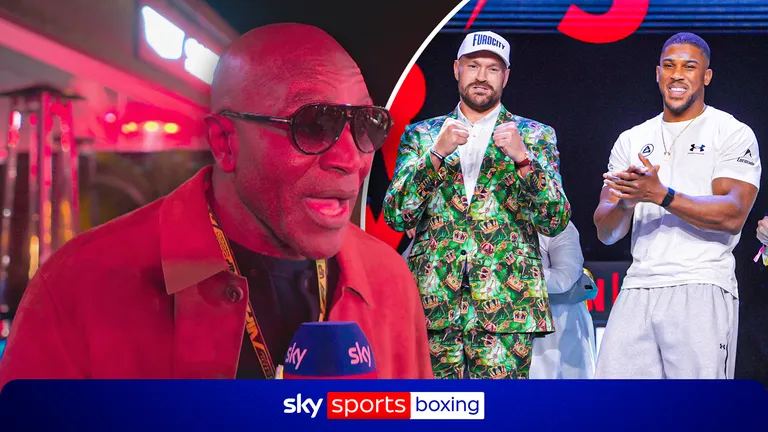
Speaking while attending the Las Vegas Grand Prix, Evander Holyfield backed Tyson Fury to defeat Anthony Joshua during their December clash.
However, Fury’s team were not bluffing. They prepared to leave.
John Fury raged with Bernd Boente, Klitschko’s manager, in an arena corridor. He told him directly, “The war is over, forget it.” Then he stormed away.
He later said, “If they hadn’t replaced him, there wouldn’t have been a war.”
Fury’s team has taken its course. The offensive layers were stripped away and Fury really used his footwork and mobile long-range boxing to shut down Klitschko, a dangerous puncher so normally adept at controlling the distance but simply unable to identify an inspired Fury.
That fiery streak changed the course of the heavyweight division. It was an important element in a monumental victory for the Englishman. Fury became the dominant figure in the heavyweight division. He was unable to meet Klitschko again in a rematch; struggling with depression, he left the sport.
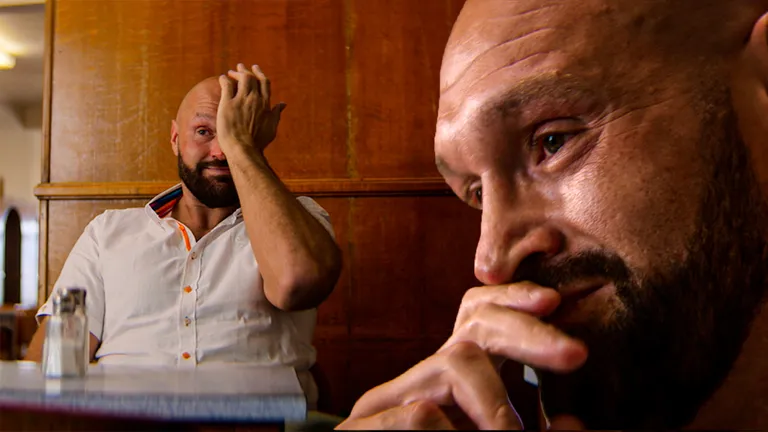
Tyson Fury reveals his long history of struggles with mental health which has seen him diagnosed with bipolar disorder and schizophrenia. ‘TYSON FURY’ will premiere on Netflix on November 27th
But Fury’s mental health improved and he was able to make a famous comeback. He cemented his legend against Deontay Wilder, becoming a two-time world heavyweight champion without losing a fight.
Now he has the chance to become a three-time champion when he fights arch-rival Anthony Joshua for the first time with a vacant WBA title on the line.
That climactic fight is two weeks away as Fury looks to begin the final chapter in a championship story that began 11 years ago today.