































































mens
super-rugby-pacific

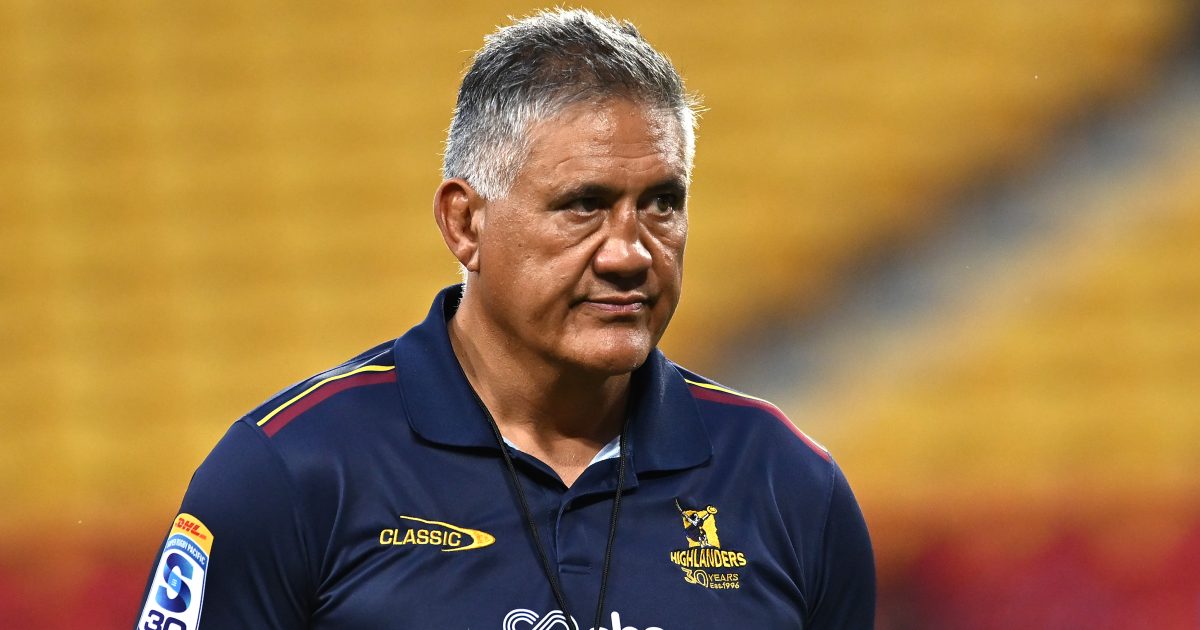
Jamie Joseph has put pen to paper on a new four-year contract with the Highlanders, taking his total tenure at the club to 15.
The long-term deal continues the direction of the Highlanders until 2031, allowing Joseph to build on the foundations he has laid with the new staff he has recruited on and off the pitch.
After initially coaching the Dunedin Super Rugby Club from 2010 to 2016 and guiding them to their first and only title in 2015, Joseph then spent eight years coaching the Japanese national team before returning to the Japanese national team. Highlanders as head of rugby in 2024. He spent a year in that role before being appointed head coach, pushing Clarke Dermody back into an assistant role.
Since Joseph’s return, the club has aggressively recruited young talent on the fringes of rival Kiwi clubs, and now boasts a handful of the country’s best prospects.
The 20-Test All Black said the decision to commit to a four-year deal reflected his love for the Highlanders and the place and people the club represents.
“It was a big decision to commit to four years, but this club and region mean a lot to me,” he said in a statement.
“We’re not where we want to be as a club right now, but I have a strong feeling that the best is yet to come, and that played a big part in my decision. There’s still a lot of work to do, but I’m excited about the group we’re building and the direction we’re going. We aim to build a team that’s connected, aligned and that works for the people of this region,” he said.
“I want to say thank you New Zealand Rugby and the Highlanders for their continued faith in me, and to our players, staff, partners and fans for their continued support. I look forward to the challenge ahead.”
Joseph signed a two-year contract to become All black people XV coach in 2025, but with the team not coming together in 2026 as New Zealand Rugby saw an expanded Rugby’s Greatest Rivalry squad as an equivalent opportunity for the fringe All Blacks, it is understood the contract is now up after just one successful tour.
New Zealand Rugby CO Steve Lancaster said: “Jamie’s service to New Zealand rugby over many years has been immense and his continued loyalty is a reflection of his character and commitment to the teams and organizations he has been associated with throughout his career.
“He has a deep connection with the Highlanders and Otago region and brings a unique wealth of international and domestic experience as a coach and player. Quality coaches play a key role in keeping New Zealand rugby strong and we are delighted that Jamie will continue his contribution to the game on home soil.”
Highlanders chairman Peter Kean said securing Joseph’s services on a long-term basis was a major win for the club.
“The global war for talent in Rugby Union continues to escalate as other nations try to raise their scores by attracting many of our top playing talents. However, the battle is not just for the players; New Zealand coaches are also attracting strong interest from offshore and other codes. To sign a coach of Jamie’s caliber and experience to the end, Keup said 201 is the right match for Highland.
“He not only gives the club stability, but also the group of players that Jamie has recruited and assembled for next season and beyond. We now look forward to even more positive results and the exciting brand of rugby that we know this team is capable of.”
Highlanders chief executive Roger Clark echoed Kean’s sentiment, saying stability would be felt across the region.
“Jamie is one of the great figures of rugby in the south. He is a proven winner who understands this club, this region and what it means to the people who support us. A four-year commitment gives us certainty and continuity and allows us to plan for the long term,” Clark said.
“The extension gives the Highlanders a clear runway for long-term planning. A stable head coach means consistent selection, a stable coaching and support group, and the ability to recruit and develop players with a clear picture of how they fit into the future of the club. It also strengthens the pathway for new southern talent, who can now see their leader in a permanent environment and committed to development.”