





























































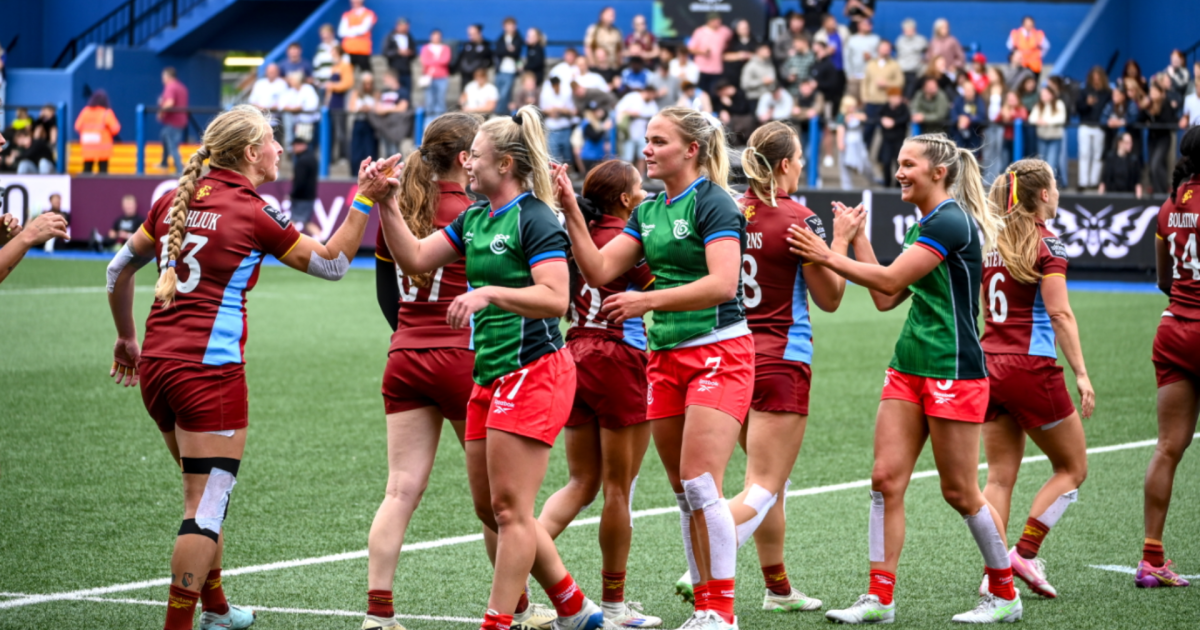
This weekend, rugby’s newest Ultimate Sevens competition kicks off in Biarritz, with the second round of action hitting the European mainland after bursting out of the blocks in Cardiff.
But for Ultimate Sevens CEO Barney Pascall, it was the culmination of nearly 18 months of hard work to build the competition.
With Cardiff’s reception from fans, players, officials and more almost universally positive, Pascall knows the competition is on the right track – and he’s ready for an even bigger weekend in the southern French city.
“Cardiff was an amazing experience,” Pascal said in an interview with RugbyPass.
“I hate to use a cliché, but (it was) 18 months of blood, sweat and tears, but it was more of a genuine belief in what we could deliver. What struck me the most was the execution of the event, all parties not only played their part, they excelled.”
“It came from the crowd, player feedback, coach feedback, referee feedback, all kinds of stakeholders. These guys absolutely gave it their all, which meant the quality of the product was there.
“I felt like the format worked. It got people interested. I’m sure there are things we can tweak and things we can improve…but I was proud and thrilled with the pieces we were able to meet against the expectations we set for ourselves.”
Cardiff came with many experiments, from new teams to changes to the rules and structure of the previous weeks of the competition, with teams having to play ten minutes straight at half-time and find new ways of managing and strategizing in the new format.
This weekend, with a week of action under their belts, the chasing sides will now have the chance to come back and make better use of the rules in front of them, from managing the knockout format to conversion decisions, which have much more value depending on the level of difficulty.
“It will be fascinating how the tactics moved even during Cardiff,” added Pascal.
I’m going into this weekend with the coaches, (they were) turning to me and changing the way we eat on game day, the way we drink, the way we hydrate, because it’s so intense during those four hours and very different because you’re usually playing a game.
“That level of detail has already been thought about by the coaches in Cardiff, I think the options for dynamic shots will come down to who prefers to step up.
“These coaches are amazing. They’re so into it. There’s a lot of dedicated thought on how to optimize it.”
While Cardiff has given Pascall and his team plenty of food for thought, what has been encouraging is how well the format has been embraced.
When the competition was announced, there was a time when the sevens off-season was increasingly seen as a dead space ripe for new competitions.
Such competitions, such as the Rugby Premier League in India or the Taiyo Seimei Sevens in Japan they saw an influx of international talent. But for Pascall, with the weeks having such an established footprint, it’s an opportunity to tinker with rugby’s formula and find new ways to engage new fans, while allowing the stars themselves to shine on their own terms.
“This is a financial investment in the game of rugby sevens, with the idea that we can also support the professional players that exist around the world,” Pascall said.
“It’s amazing that so many unions still have weeks as a professional pathway and indeed a performance aspect of rugby union at an elite level.
“Thinking long-term, it’s a role and a role we want to play. I think there’s an element of that. There’s also a narrative piece.
“The World Series is well established in an existing IP where people recognize it. It also takes place over a long period of time in relation to the year, starting in late November, going into early June.
“There’s a period where there’s dead space. There’s an opportunity. It’s natural to bring the calendar into a competition like this, giving the athletes a chance to really continue to sharpen their pencil.”
“Sevens is a statistical mechanism to bring new fans to the game of rugby. We need to provide a narrative at a time of year where there is no World Series. This helps add to that, as does Premier League rugby in India.”
“These types of competitions can help add narrative, build personality, build a platform and just keep the engine going throughout the year, which then can continue to be a mechanism and a vehicle for new fans, new players coming into the sport.”
What Pascall is particularly excited to see this weekend is the flourishing combinations between the respective teams, with international stars combining brilliantly on and off the park.
With two weeks remaining, the chance to see these games even more will be one of the most exciting aspects of this first season – and a key goal to look forward to as the competition looks to expand in the future.
“I went up in Cardiff to this old club in the old stadium and I walked into the players having dinner,” Pascall said.
“I have Fijians, Australians, Scots, Canadians dancing. (They’re) doing things on their teams that inevitably don’t happen at the World Series because they’re playing for their countries.”
“Such authentic, just human beings getting to know each other, building relationships is a huge part of life. Understanding good life principles and good life philosophies about persistence and building relationships and understanding new cultures.”
“That’s a big part of it and I think it played out on the field.
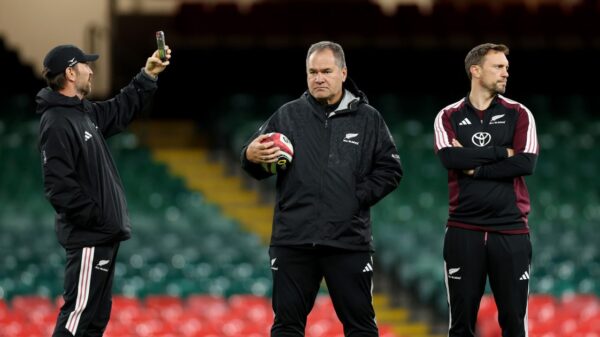
“Credit goes to the players for embracing this concept and embracing this multicultural melting pot. The coaching staff and the way they’ve done it, I can’t say enough about the way they’ve approached it. They’ve built a culture very, very quickly.
“What we’re really trying to tease is the behind-the-scenes stuff.
“We have to continue with that story, we have to continue with all the content and all the stories behind it and work together. That’s when it becomes really successful.
“They’re the same players, aren’t they? It’s a bit like cricket and the way you follow individuals and what team they play for in the Big Bash (League) versus the IPL (Indian Premier League) versus The Hundred.”
“I think that’s what we have to learn from and what we have to do that will help us measure success.”