






















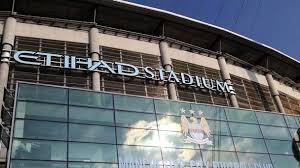


































September 8: Manchester City have opened their Radisson Blu hotel at the Etihad Campus, the first major piece of the club’s £300m push to turn the area around their stadium into a year-round shopping and entertainment district.
The Medlock opened on Monday and sits between the Etihad Stadium and the 23,500-capacity Co-op Live arena. It has been developed as a collaboration between the club and Radisson Hotel Group.
The City’s aim is to attract football fans, concert goers, business travelers and visitors to Manchester all year round, keeping more of that spend within the Etihad Campus. Some rooms even have pitch views and can be converted into hospitality suites on match days.
The hotel also connects to an extensive list of conference and event spaces on campus, including the new 3,000-seat indoor fan zone in Medlock Square.
City’s £300m development includes an extra 7,000 seats in the North Stand, taking the Etihad’s capacity beyond 60,000, along with a new museum, a much larger club shop, restaurants, offices and a rooftop promenade. The club has previously said the project will create around 2,600 jobs.
The Co-op Live arena, developed by City Football Group and Oak View Group, provides the area with a regular flow of visitors when there is no football being played next door.
City Football Group chief operating officer Roel de Vries backed this up, describing the wider project as a “year-round entertainment destination”, rather than simply a stadium extension.
The opener also comes as City begin another Champions League campaign, away to Porto tonight. Europe has been a disappointment since City’s triumph in 2023. They crashed out in the knockout play-offs in 2024/25 before exiting in the last 16 last season, and now enter the competition without their prized asset in the form of Pep and a heavily rebuilt squad.
After spending around £458m in the summer, including big deals for Elliot Anderson, Ayyoub Bouaddi, Iliman Ndiaye and Enzo Fernandez, City have effectively rebooted the squad at the same time as the Etihad itself is transformed.
The growing commercial value of the Campus is also changing City’s relationship with Manchester City Council, which owns the stadium and leases it to the club. The council approved changes to those leases last week as the expansion increases the amount of money the site can generate. New financial terms have not been disclosed.
Contact the writer of this story, Harry Ewing, at (email protected)